
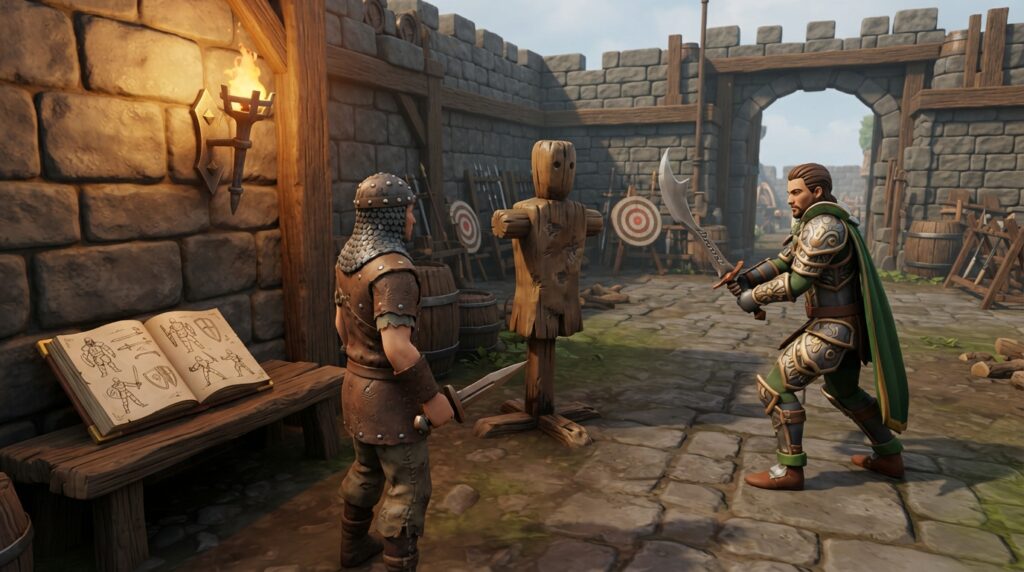
OSRS coaching and guides serve different needs. Free guides work well for repeatable questions, such as choosing a skill-training method. Paid, live coaching gives you feedback on your own boss attempts. The OSRS Wiki’s training-guide category lists 90 pages, so it’s a useful starting point for questions you can answer by reading and trying a method yourself. Market pricing includes a $29.88 package for up to 30 minutes, though prices and session lengths vary.
The difference matters when a written guide tells you what to do but doesn’t explain why your Vorkath attempts keep falling apart or how to adjust your PvP choices. Coaching can give you live, personalized feedback based on your account and gameplay, rather than another general checklist. A guide is free and easy to revisit. Safety matters, too: Jagex’s Rules of RuneScape prohibit account sharing and treat paying someone to play your account as real-world trading. A proper lesson should leave you logged in and in control. OSRS bosses and rewards can change, so check that advice reflects the current game before spending time or money.
Key Takeaways
- For clear, repeatable OSRS questions, start with a free guide; the OSRS Wiki training-guide category lists 90 pages, and its options can help you compare methods for your account type.
- For a boss attempt or PvP choice that still goes wrong after you follow a guide, live coaching can give feedback on your timing, gear, prayers, and decisions.
- OSRS coaching prices and session lengths vary, with market pricing including a $29.88 package for up to 30 minutes, so check the session details and set a focused goal before paying.
- A safe OSRS lesson keeps you logged in and in control; Jagex’s Rules of RuneScape prohibit account sharing and treat paying someone else to play your account as real-world trading.
- Check that OSRS guides and coaching advice reflect the current game, since bosses, content, and rewards can change.
Is OSRS Coaching Better Than Guides?
Neither OSRS coaching nor guides are always better. Guides work well for clear, repeatable questions, while coaching can help when you need feedback on your own play. A guide lets you learn at your own pace: pause to try a step, then return to the instructions whenever you need a reminder. In a live lesson, you get feedback based on what you’re doing in-game.
For a straightforward question, such as choosing a Fishing training method, a guide is usually the best place to start. You can compare options and see which ones fit your account, whether you play free-to-play, as a member, or as an Ironman. The OSRS Wiki’s skilling guides also explain that early quests can sometimes be more efficient than other training methods.
The difference becomes clearer when you’ve tried a method but still can’t tell what’s going wrong. A written boss guide can explain Cerberus’s attacks and the expected prayer switches, but it can’t see which switch you missed during your attempt. In a coaching session, a coach can watch your gameplay, point out when your reaction is late, and explain what to focus on next time. You can try that change and see how it affects the fight.
Guides are also useful when you want to check one detail without arranging a session. You might reopen a page to confirm an item requirement or review a boss mechanic before trying the fight again. Coaching is more useful when the problem depends on your choices, timing, gear, or reactions, and you can’t identify the issue from general instructions alone.
Paying for instruction is different from paying someone else to play your account. In a lesson, you stay logged in and make your own decisions while the coach explains what to change. Jagex’s Rules of RuneScape treat paying someone to play your account as real-world trading and prohibit sharing accounts.
What Free OSRS Guides Cover

Free OSRS guides cover more than one best route for each skill. The OSRS Wiki has training advice for free-to-play and members, as well as Ironman and Ultimate Ironman accounts. That distinction matters because an Ironman must gather supplies independently, while an Ultimate Ironman can’t use a bank. A method that looks efficient on a regular account may not suit either restriction, so check the account type before following the steps.
Many skill guides compare methods by experience per hour, helping you weigh faster training against the effort or resources a method requires. The Wiki also notes that early quests can offer better progress than training a skill the usual way. Its free-to-play skilling guide discusses both training methods and quest options. This can help you decide whether to train first or complete an available quest for experience.
The size of the reference library gives you plenty of options to compare: the OSRS Wiki training-guides category lists 90 related pages. Before choosing a method, look up the skill and compare the options for your account. For example, if you’re a free-to-play player choosing a Fishing method, don’t assume a members-only option is available. If you’re an Ironman, consider whether the method depends on supplies that are hard to obtain.
Then check that the method suits your account build, not just your membership status. If you have a pure account and are keeping Defence low, avoid training choices that award unwanted Defence experience. If you have an Ultimate Ironman, you may need a method with manageable item and supply needs because banking isn’t available. These checks can help you avoid following an efficient method that moves your account away from its goal.
Free references are especially useful for questions with clear answers, such as what a quest requires or which training options fit your account. OSRS methods and content can change, so check that a guide reflects the current game before investing time in its recommendations. A guide can show typical experience rates and steps, but your account’s restrictions determine whether those steps are practical for you.
When Is OSRS Coaching Worth Paying For?
OSRS coaching may be worth paying for when you need feedback on your setup, decisions, or mistakes, rather than another general walkthrough. If you understand the written steps but can’t tell why your attempts keep going wrong, a coach may spot a specific issue while you play. For example, at Zulrah, you might know the rotation but still take avoidable hits because your positioning or protection prayers are off. A coach watching your attempt can point out what happened and explain what to adjust. This feedback responds to your choices in the fight, unlike a general list of Zulrah phases. Coaching can also help you improve a money-making approach. You might ask for a review of how you handle Barrows runs and where your route, gear choices, or time between runs could improve. For account building, individual advice can help you consider choices for a specific goal, such as which quests and unlocks to prioritize for a PvM-focused account. The benefit is having someone consider your account and plans instead of giving broad advice that may not fit. PvP is another area where live feedback can help. During a session, a coach could review your gear switches and prayer choices in a fight, then explain where your timing or decisions left you open. Seeing your own play in real time can make a mistake easier to understand than general PvP advice. Session length and price vary. Market pricing includes a $29.88 package for up to 30 minutes. Session options can range from one to three hours or use a custom duration, with custom pricing. A shorter session may suit one focused question, while a longer session gives you more time to review several attempts or topics. Neither format guarantees a particular result. You’re paying for focused, individual feedback. It may feel worthwhile if you have a clear problem and want someone to assess how you handle it. If you’re still learning the basics or only need a quick answer, a paid session may add little beyond general instructions. You don’t need coaching just because you play OSRS.
What Should A Safe Coaching Session Include?
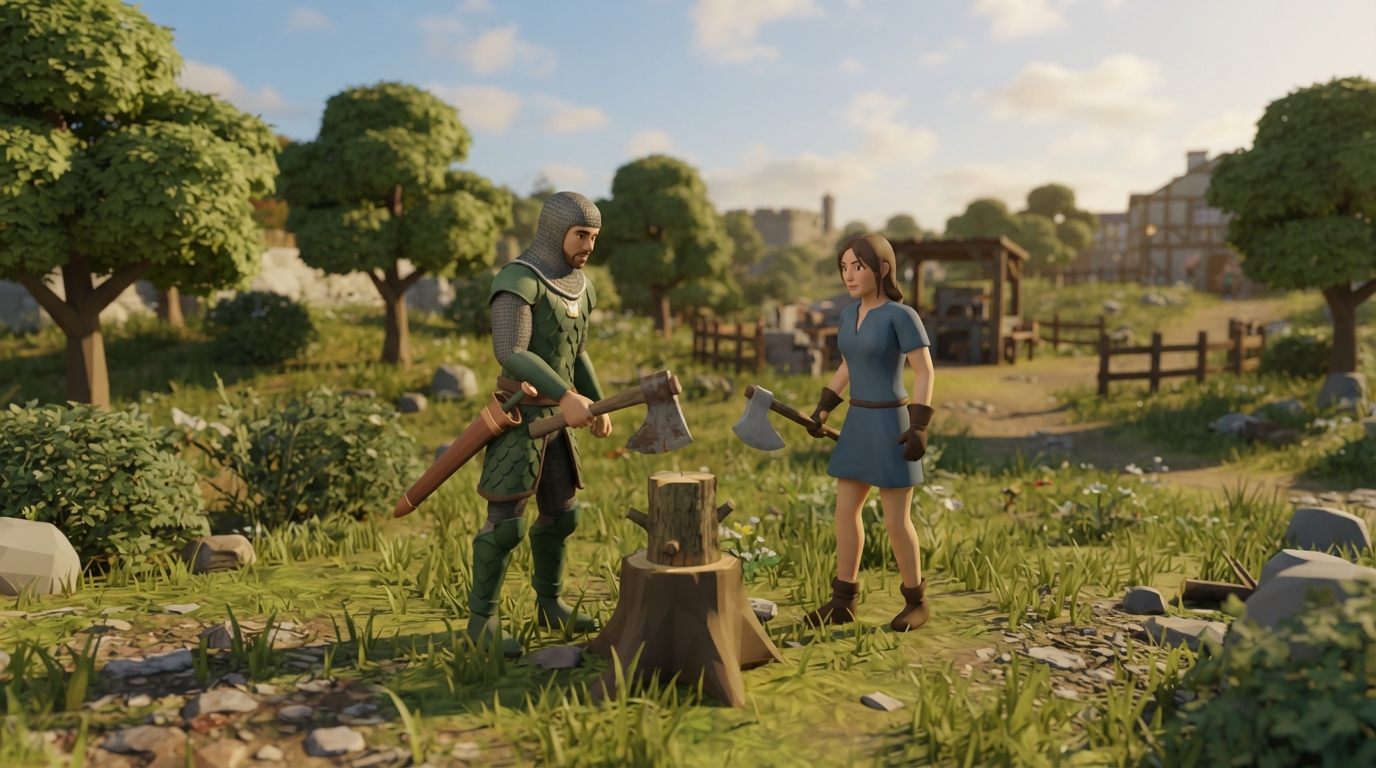
A safe OSRS coaching session should let you play your own account while the coach watches and explains your choices in real time. With screen sharing, you log in yourself and show the game. The coach can talk through what they notice without taking over your character. You should stay logged in and make every in-game choice.
A useful lesson has a clear scope from the start. Agree on what you want to learn, such as reviewing your gear and inventory before an OSRS boss attempt, understanding why a particular prayer switch matters, or improving your movement during a fight. The coach should explain what they see, why a choice may be risky, and what you can try differently. You should be the one to test that advice in-game. For example, if you’re learning a boss encounter, the coach can describe how to respond to an attack while you carry out the response, then discuss what happened.
That’s the key difference between coaching and boosting. Coaching teaches you to play; boosting means someone else plays your account or completes the activity for you. Jagex’s Rules of RuneScape say that paying someone to play a RuneScape or Old School RuneScape account falls under real-world trading. The rules also prohibit sharing, transferring, or lending accounts. A session that requires the coach to log in as you isn’t the player-controlled format described here.
Before booking, ask what the session includes: whether it uses screen sharing, what the coach will teach, and whether you’ll remain the only person controlling the account. Be wary of requests for your password or account access, or of offers to have the coach play on your behalf. If the provider can’t clearly explain how the lesson works without taking control, choose another way to learn. A straightforward session should let you see the game, make your own decisions, and understand the reasoning behind the coach’s advice.
Guides First, Coaching When Needed
A guide is usually a free reference you can open whenever you need it. It’s flexible and easy to revisit, but it can’t respond to your gameplay. Coaching costs money and takes place in a live session, so it’s less convenient to return to later. In exchange, a coach can tailor feedback to your account and respond to what you do in-game.
Use this simple process to decide whether a guide answers your question or personalized feedback could help:
- Define one question. Be specific, such as asking how to respond to a boss mechanic or whether an account-building choice fits your goal. A focused question makes it easier to find relevant instructions and, if needed, get more from a coaching session.
- Start with a current guide. Check that the instructions apply to Old School RuneScape and your account type. A method for a regular account may not suit an Ironman, and an old boss guide may describe mechanics or rewards that have changed.
- Try the advice yourself. Follow the relevant steps in-game, then note what still feels unclear. For example, you might understand the written response to a boss attack but still struggle to time it during your own attempt.
- Consider coaching if the problem persists. Before paying, set a clear goal, such as having someone review your response to a boss mechanic or assess an account-building decision. A coach can then focus on your gameplay instead of repeating general instructions.
The value depends on what you need. If you want a reference for a repeatable question, a guide is easier to revisit and doesn’t require a live appointment. If you need someone to watch your choices and explain what to change, coaching offers more personalized feedback, but you may find it harder to review after the session unless you take notes.
Check the date and current game details before relying on either source. Old School RuneScape content and rewards can change. For example, the Varlamore: The Final Dawn Delve Boss rewards poll received 51,750 votes from March 31 to April 4, 2025. The Varlamore: The Final Dawn rewards poll shows how new content and rewards can be put to a vote. A guide or coaching explanation based on earlier information may no longer reflect the current game, so confirm that its instructions fit the version you’re playing now.
Build An OSRS Learning Plan That Fits
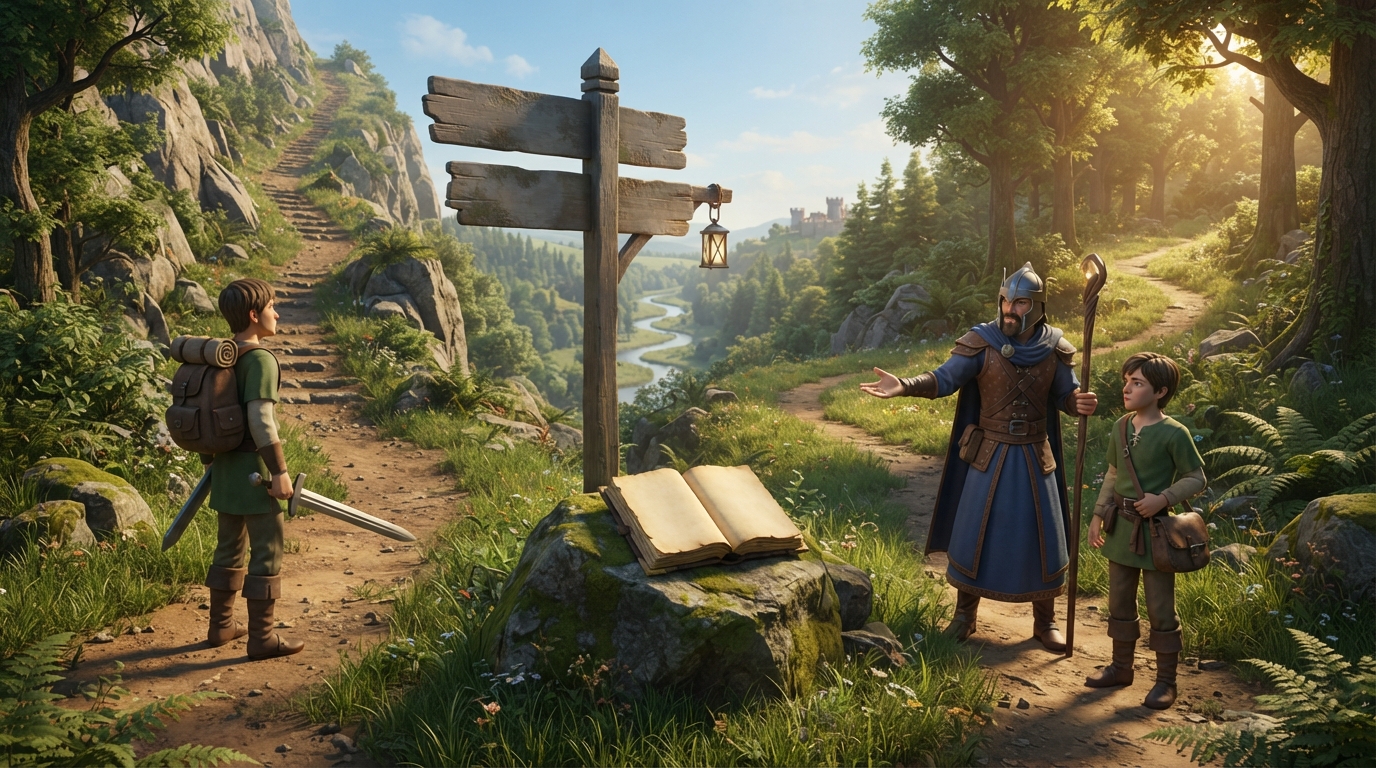
Suppose your OSRS goal is to train Mining as a free-to-play player. Start with the OSRS Wiki’s free-to-play skilling guide, then try one of its methods in-game. Make a note of exactly where you get stuck, such as not knowing which listed option suits your account’s levels and supplies.
Use that note to decide whether a live lesson could help. If you understand the written steps but need someone to review your account and explain which choice fits your goal, personalized feedback may be useful. If you only need a method’s requirements clarified, a guide is likely enough.
Before deciding, assess how a proposed OSRS coaching session works, how long it lasts, what it costs, and whether you remain in control of your account. A session should teach you while you play, not ask for your login or have someone else play for you. RuneAttack is a publication that informs readers about OSRS; it doesn’t sell or provide coaching. If individual help seems right for your sticking point, compare the session details before deciding.
Choose Your Next OSRS Learning Step
Before your next OSRS session, write down the exact point that’s blocking your goal. “I need to know which Agility method fits my account” is a guide question. “I keep losing control of the fight after a boss attack” is a gameplay problem that may need personal feedback.
For a skill-training question, open the relevant OSRS Wiki training guide and check that its method suits your account type and the current game. Try the steps yourself, then note the requirement, choice, or moment that remains unclear. That gives you something specific to investigate instead of browsing general advice without a clear goal.
If the instructions make sense but you still can’t identify what to change in your own play, assess the proposed session before deciding whether to pay. Check the session format, length, price, and topic, and make sure the coach teaches while you stay in control of your account. For example, ask whether a session can focus on reviewing your attempts at a particular boss rather than covering broad PvM tips.
If a clear requirement or training method already answers your question, follow the guide and keep it open for reference. If the problem depends on your decisions or timing, bring your notes to a coaching session and use them to keep the lesson focused.