
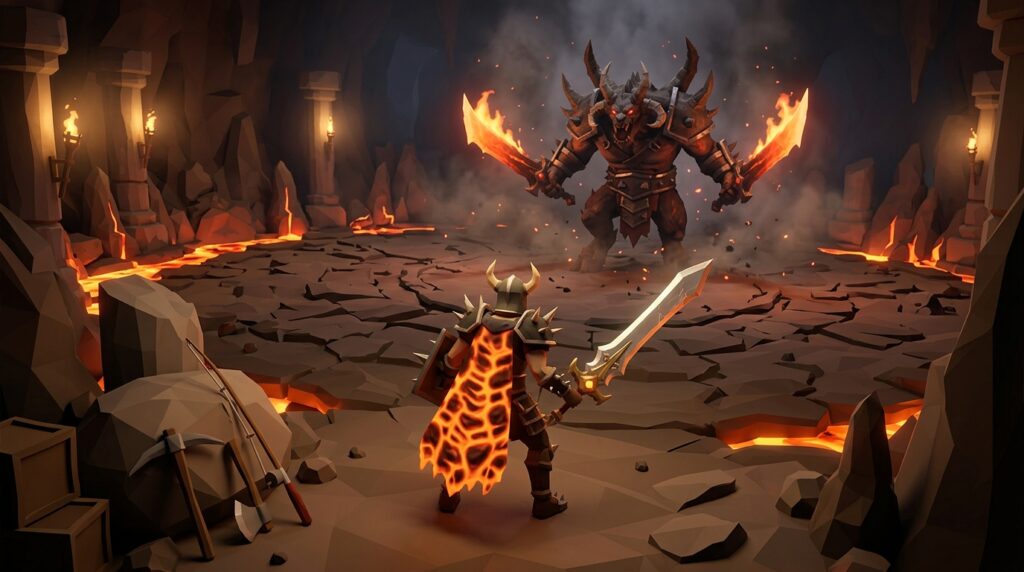
An OSRS service comparison comes down to the result you want: quest unlocks, skilling XP, boss kills, raid completions, or a cape. Published examples include questing from $0.40, Kraken kills from $0.05 each, and Fire Cape completions from $6. These are provider-specific listed prices, not market averages, and can change with your account and setup.
Your bigger decision is account access: some options require a trainer to play your account, while a remote-play option such as Parsec can avoid password sharing. That does not remove the policy concern: Jagex’s Rules of RuneScape define paying someone to play your account as real-world trading and prohibit sharing, transferring, or lending accounts. The lower-risk choice under those rules is not to pay someone to play your account. Compare what each option delivers, how it charges, and what account access it needs before deciding whether that trade-off suits you.
Key Takeaways
- Choose an OSRS service by the exact goal you want, such as completing selected quests, gaining a set amount of XP, killing Kraken, finishing a Theatre of Blood or Tombs of Amascut run, or earning a Fire Cape or Infernal Cape.
- Published OSRS price examples include questing from $0.40, skilling at $0.13 per million XP, combat training at $0.16 per million XP, Kraken kills from $0.05 each, Fire Cape completions from $6, and Infernal Cape completions from $55; these are provider-specific listings, not market averages, and account details or setup can change the quote.
- The rules prohibit account sharing and paying someone to play your OSRS account, so the lowest-risk choice under those rules is to keep control of your account and complete the goal yourself; Parsec avoids a password handoff but does not remove the paid-play policy concern.
- Before choosing an OSRS service, confirm the exact task, price unit, account requirements, access method, schedule, and payment terms, and remember that a listed start window is not a guaranteed finish time and a boss kill or raid run does not guarantee a specific drop.
Which OSRS Service Fits Your Goal?
The right OSRS service type depends on whether you want quest completions, XP, boss or raid encounters, or a cape. Paying someone to play your account falls under the real-world trading rule, and account sharing is prohibited, so the safest option under those rules is not to pay someone to play your account.
Questing suits you if you want specific quests completed or their unlocks, such as access to new areas or equipment. Skilling and combat training focus on gaining XP in skills such as Mining, Herblore, or Attack. Those goals are different: questing is measured by completed content, while training is aimed at XP progress.
Boss and raid services focus on encounters rather than broad account progress. A boss-kill goal is about defeating a particular enemy; raid goals involve completing content such as Theatre of Blood or Tombs of Amascut. Cape services aim for a specific achievement, most often a Fire Cape or Infernal Cape completion.
The comparison looks at what each category delivers and how its scope differs, so you can weigh a quest list against an XP target, encounter completions, or a cape goal. RuneAttack is a publication, not a service provider; this information is for comparing options, not an endorsement or a claim that RuneAttack offers them.
Compare OSRS Service Types
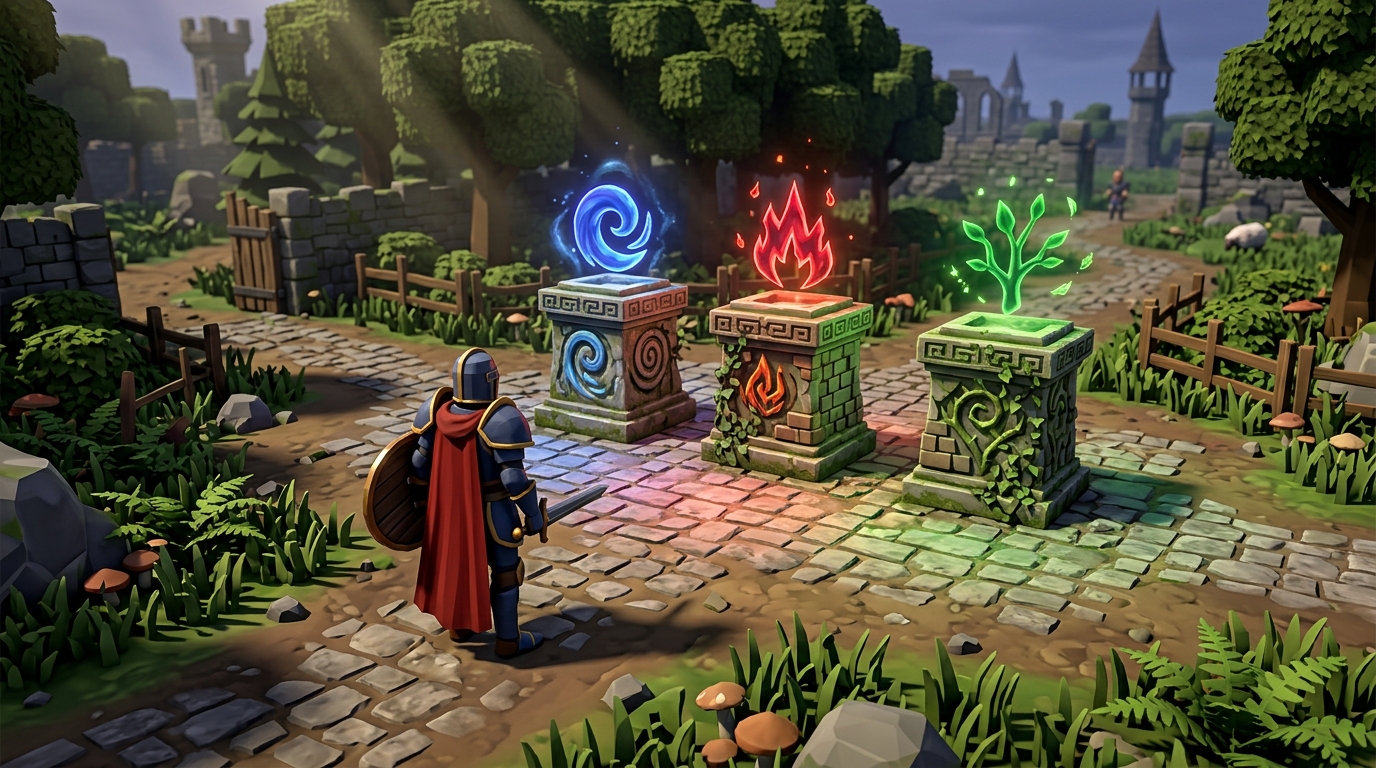
| OSRS service type | What you get | Who might consider it | Main trade-off |
|---|---|---|---|
| Quest services | Completion of selected Old School RuneScape quests, rather than general account training. | You want a particular quest finished or its unlocks. | Completion time varies by quest and account. Example start windows are within an hour for most orders and within 24 hours for all orders after confirmation. |
| Skilling and combat training | XP progress in skills such as Mining, Herblore, or Attack. | You have an XP target instead of one specific quest or encounter. | Example skilling and combat rates are quoted per million XP, so the scope is XP progress rather than a single completion. |
| Boss kills | Defeats of a selected boss, such as Kraken. | You want kills at a particular boss rather than broad XP training. | Example boss-kill prices are per kill; the deliverable is the encounter completion, not an XP target or a guaranteed item drop. |
| Theatre of Blood runs | Runs of the Theatre of Blood, with options such as Entry Mode or Hard Mode. | You specifically want Theatre of Blood completions. | Raid quotes vary by mode and setup. A paid run does not promise a unique drop. |
| Tombs of Amascut runs | Runs of Tombs of Amascut, with options that can differ by raid level. | You want this raid rather than Theatre of Blood. | Quotes vary by raid level and setup, and payment does not guarantee a unique drop. |
| Fire Cape or Infernal Cape | A completion-focused attempt at the selected cape. | You are aiming for one of these specific OSRS achievements. | Quoted prices can depend on account type, stats, and equipment. A cape attempt is not the same deliverable as XP training or one quest completion. |
Theatre of Blood and Tombs of Amascut are separate raid choices, not interchangeable labels for the same run. The examples vary by raid mode, raid level, and setup. Boss-kill examples are scoped as individual encounters, while skilling and combat training examples are scoped around XP. A quest service completes selected quests; it does not mean ongoing training or a cape attempt.
What Do OSRS Services Cost?
OSRS service prices depend on the charging model: examples use a price per quest, per million XP, per kill, per raid run, or per cape completion. Every amount below is an example, not a universal rate or a promise of what you will pay.
A quest service has an example starting price of $0.40. The final quote can depend on the quests selected and your account details.
For skilling, an example rate is $0.13 per million XP. Combat training has a separate example rate of $0.16 per million XP, so compare the skill and XP target included in a quote.
A Kraken kill service has an example price starting at $0.05 per kill. Boss and setup can affect the listed price, and the charge is for kills rather than a guaranteed item drop.
Theatre of Blood examples range from $1.50 for Entry Mode to $9.00 for Hard Mode with a whip. The mode and setup make a clear difference to the per-run example.
For a solo Tombs of Amascut run, examples range from $2.04 at raid level 150 to $5.61 at level 400. Paying for a run does not guarantee a unique drop.
A Fire Cape example starts at $6, while an Infernal Cape example starts at $55. Stats, equipment, and account type can affect the quote. Account details, gear, difficulty, and order options may also change prices across service categories.
How Much Account Access Is Needed?
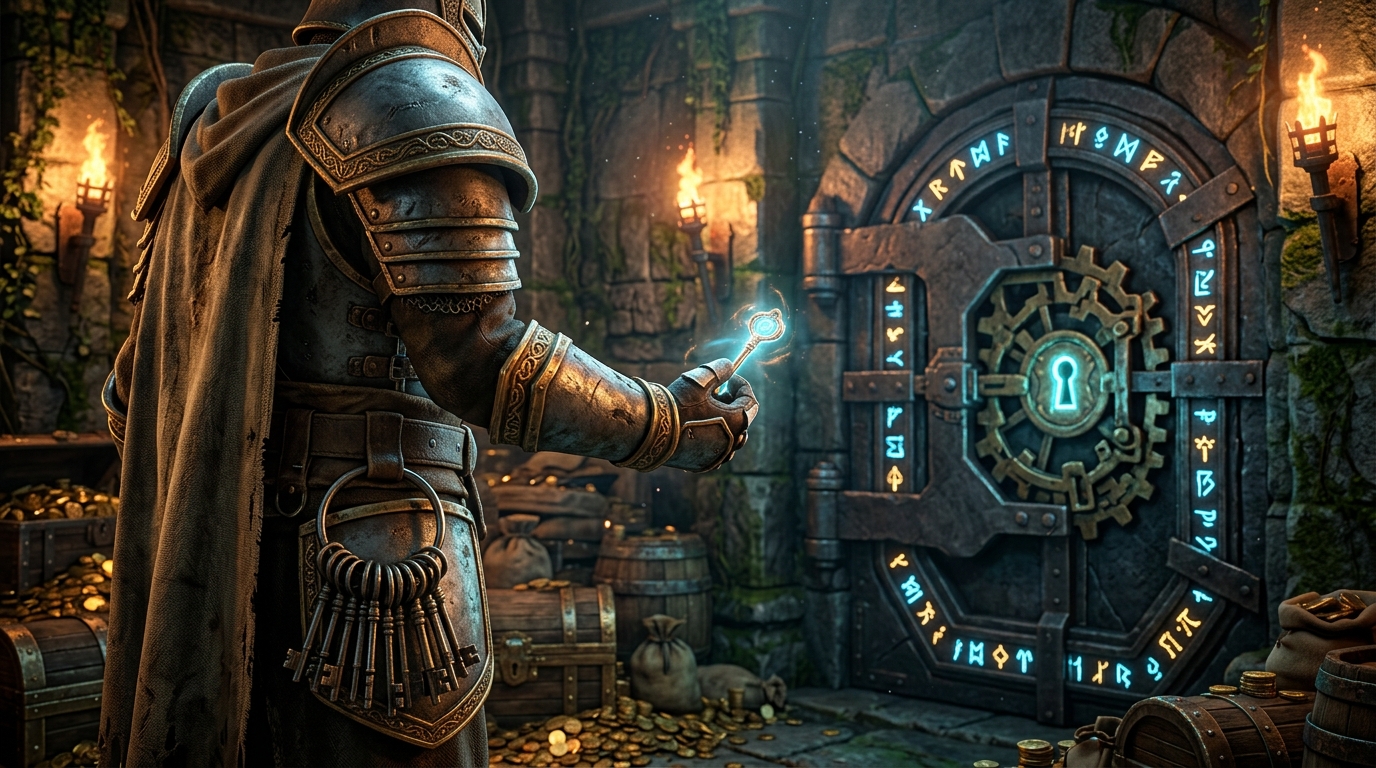
How much account access is needed depends on the option: a trainer may play your OSRS account directly, or use remote play to control the game on your PC without receiving your password. The difference is how the trainer reaches the game, not whether someone else is playing your account.
For an Infernal Cape, the listed Parsec option runs on your PC and avoids sharing your password. Its standard-access option involves a trainer playing your account. With standard access, the trainer needs account access to play; with Parsec, the trainer controls the game remotely while it runs on your PC. Both options involve someone else playing your account to work toward the cape.
That distinction does not remove the policy concern. The rules say players must not share, transfer, or lend accounts, and the real-world trading rule covers paying someone to play your account. So remote play may avoid sharing a password, but paying a trainer to play your account remains covered by the rule. Avoiding a password handoff is not the same as avoiding the rule.
The rules warn that breaking them may lead to a mute or ban. That warning applies to the account-sharing and paid-play rules, not only to a particular way of logging in. Parsec changes the access method, but the paid Infernal Cape attempt still involves a trainer playing the account. Standard access makes the account-playing arrangement more direct; remote play changes how the trainer controls the game, not the underlying policy issue.
How Do Timing And Results Compare?
Turnaround depends on the order’s scope, account readiness, and queue, while a paid attempt does not guarantee a desired game reward. For OSRS quest services, completion time varies by quest and account; example start windows are within an hour for most orders and within 24 hours for all orders after confirmation. Those are start windows, not promised completion times.
Example schedules describe Regular work as about 8 hours per day and Express work as about 20 hours per day. The finish date also depends on the account and queue, so the work schedule alone cannot tell you exactly when an order will be done.
Raid difficulty and setup can change a quote: a higher-level Tombs of Amascut run may cost more than a lower-level run. A paid raid run is for the attempt or completion, not a guaranteed unique drop. The same distinction matters for bossing: paying for a kill does not promise a particular item.
Some ordering terms allow a support ticket to open without taking payment, with full payment due before work begins. Before placing an order, separate an estimated start window or daily work schedule from a guaranteed finish time, and separate a completed run from a guaranteed game reward.
What Should You Check Before Choosing?
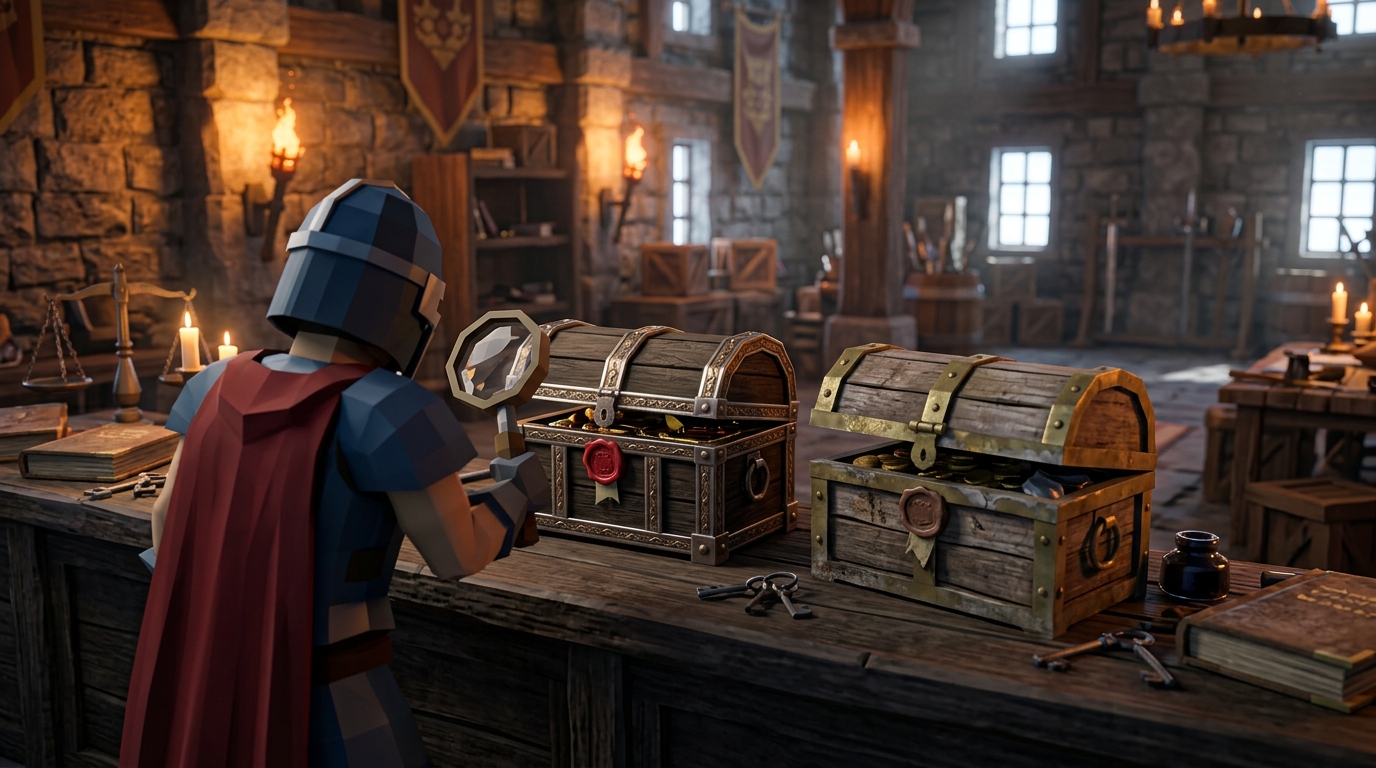
Check the exact deliverable, quote terms, schedule, and account-access method; service descriptions and prices do not replace considering Jagex’s rules.
- Scope: Confirm the exact OSRS task and completion conditions, such as which quests count as finished, how much XP is included, or whether a raid run means Theatre of Blood Entry Mode or Hard Mode. Check account requirements, including stats and equipment, and whether gear or setup changes the quote.
- Charging: Identify whether the price is per quest, per XP amount, per kill, per raid run, or per cape completion. A Kraken kill, Tombs of Amascut run, and Infernal Cape completion are different deliverables.
- Timing and payment: Read the work schedule, queue details, when payment is due, and any limits on promised results. A completed raid run, for example, does not promise a unique drop.
- Access: Treat account access as a central factor. A password-free remote-play option such as Parsec avoids a password handoff, but it does not remove the policy issue of paying someone to play your account.
Read the terms for what the service does not promise, too. A quote for a cape completion may depend on account type, stats, and equipment, while an XP quote should make the target clear. If the wording leaves the task, setup, or finish conditions unclear, you cannot make a like-for-like comparison. RuneAttack is a publication that informs readers; it does not sell or provide OSRS services. The comparison is information, not an endorsement or a substitute for checking Jagex’s rules.
Choose The Lowest-Risk Route
If keeping account-policy risk as low as possible is your priority, keep control of your OSRS account and complete the goal yourself. Do not submit an order for another person to play the account. Pick the next in-game task you can work toward, such as finishing a quest or training a skill.
If you are still comparing paid assistance, write down one exact outcome before looking at quotes. For XP, note the skill and your target level. For bossing, decide how many Kraken kills you want; for Theatre of Blood, choose Entry Mode or Hard Mode; for Tombs of Amascut, choose a raid level. For a cape, decide whether your goal is the Fire Cape or Infernal Cape.
Then compare only options that match your written goal. Calculate the full quoted cost from the listed unit price and the amount of work you want, rather than comparing a per-kill price with a raid-run price. Record whether the option requires someone else to play your account, and treat remote control as a different access method, not a way around the account rules. If the access method or completion conditions remain unclear, do not proceed until you understand what the order involves.