
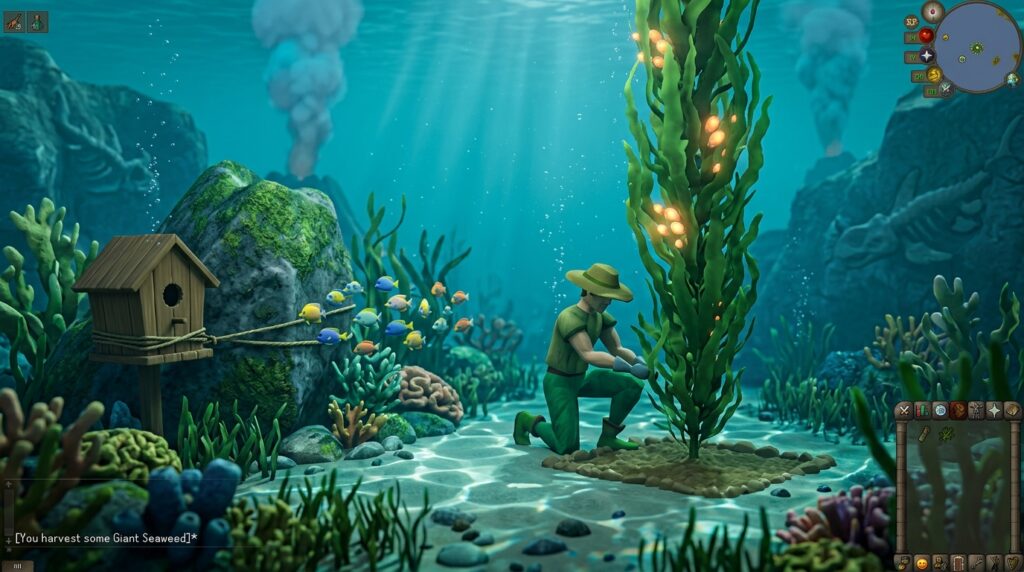
If you are looking for a fast way to stack up Crafting experience or make some easy gold, osrs giant seaweed farming is a fantastic method you can’t afford to skip. Located deep underwater on Fossil Island, these unique patches offer some of the best utility in Old School RuneScape because they grow in just 40 minutes. Whether you are an Ironman trying to bank 99 Crafting or a main account looking for a low-effort profit, this method fits perfectly into your daily farm runs.
All you need is level 23 Farming and a few seaweed spores to start harvesting massive amounts of giant seaweed for the Superglass Make spell. Since the patches are right next to each other, you can clear both in less than two minutes and get back to your other adventures. It is one of the most efficient ways to spend your time in the game, providing a steady supply of materials while you focus on other goals.
Key Takeaways
- Giant seaweed farming on Fossil Island is the most efficient method for banking Crafting experience and materials for the Superglass Make spell, requiring only level 23 Farming and completion of the Bone Voyage quest.
- The two underwater patches grow in just 40 minutes, allowing for multiple high-yield harvests per day that can be completed in less than two minutes.
- Seaweed spores are a self-sustaining resource that can be collected passively as ground spawns while underwater or actively by hunting Lobstrosities.
- Using ultracompost is essential to minimize crop disease and maximize the seaweed yield per harvest, ensuring a steady progression toward high-level Crafting goals.
Requirements For Fossil Island Seaweed Patches
To get started with your giant seaweed journey, you only need to reach Level 23 Farming. This is a very low requirement that most players can hit quickly by completing a few early game quests or planting basic oak trees. Once you have the level, you will need to head over to Fossil Island to find the specific underwater patches. These patches are located on the sea floor, so you will need to make sure you have the proper gear to breathe and move around beneath the waves. Most players prefer using the fishbowl helmet and diving apparatus or the Flippers for better mobility.
Accessing the island itself requires you to complete the Bone Voyage quest, which involves helping a crew sail a barge to the remote location. After you arrive, you must navigate to the north side of the island to find a small rowboat that takes you out to the sea. You will also need to have started or completed the Digsite quest to earn the museum kudos required for the voyage. These steps are a small price to pay for the massive amount of crafting experience you will eventually gain. Once you are underwater, you can begin planting your seaweed spores and watching your stack of giant seaweed grow.
For Ironman accounts, these patches are the absolute best way to gather materials for the Superglass Make spell. Unlike traditional farming where you buy seeds from a shop or the Grand Exchange, you can actually find seaweed spores spawning right on the ground while you wait for your crop to grow. You should keep an eye on the sandy floor around the patches because these spores appear frequently and are free to pick up. This makes the activity completely self-sustaining, allowing you to bank thousands of seaweed for glassblowing without spending any gold. It is a relaxed and efficient method that fits perfectly into any daily farm run routine.
Collecting Seaweed Spores From The Ocean Floor
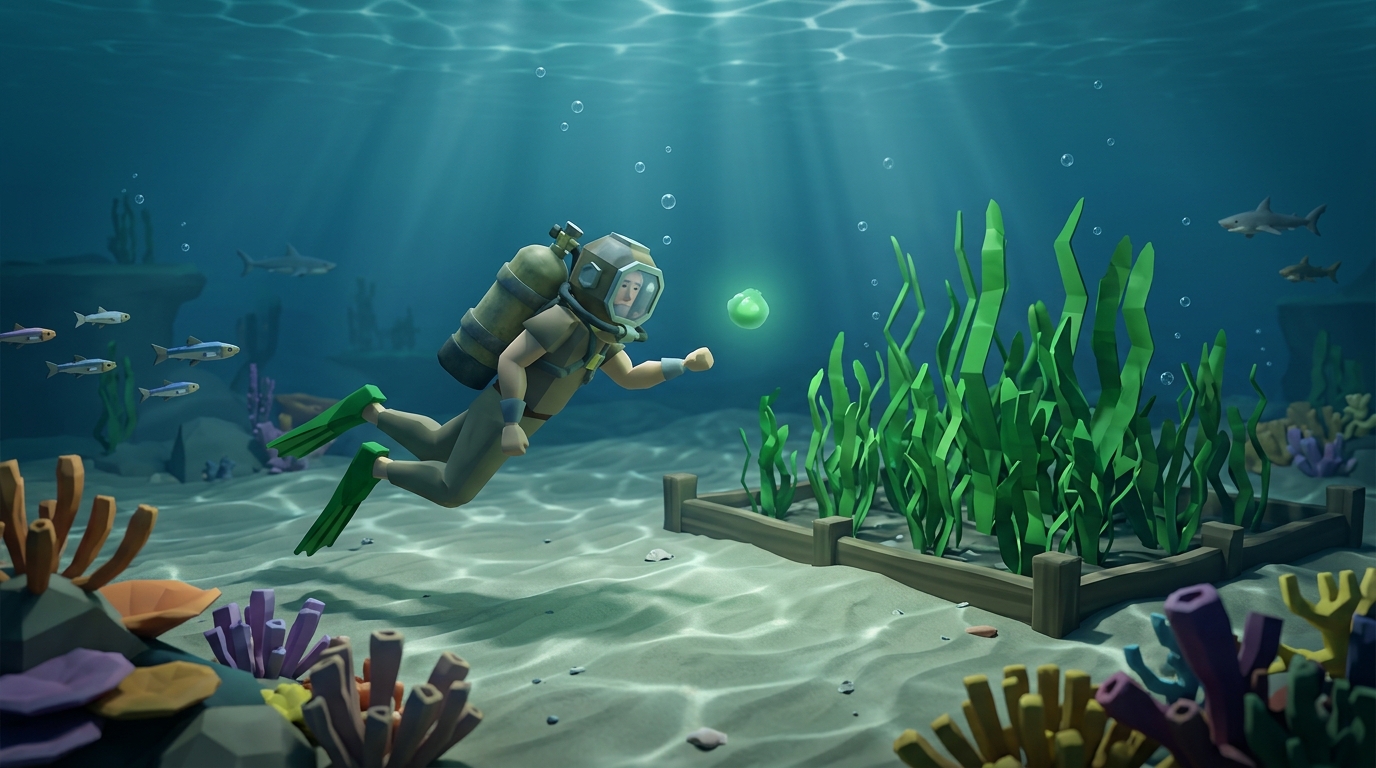
Finding seaweed spores is the first step toward building your Crafting level, and the most relaxed way to get them is by simply hanging out underwater. While you are standing near the seaweed patches on Fossil Island, spores will randomly spawn on the ocean floor every few minutes. You should keep your game sounds on or use a notification plugin so you can quickly click them before they disappear. This passive method is perfect for Ironman players who want to stock up on seeds while they are busy harvesting their current crop or fletching bows. It turns your farm run into a mini-gathering session without any extra combat required.
If you are in a hurry and don’t want to wait for random spawns, you can take a more proactive approach by hunting Lobstrosities in the same underwater area. These creatures are weak to brine sabers and trident spells, and they frequently drop seaweed spores to help you keep your patches running. Another great option is pickpocketing Master Farmers, though you will need a decent Thieving level to make this efficient. Many players prefer the Lobstrosity method because it allows you to stay in the underwater zone, keeping you close to your patches for when they finish growing every forty minutes.
Once you have a small stack of spores, you can maintain your supply quite easily by just being observant during your regular farm runs. Many players choose to bring a needle and thread or some high-alch items to stay busy while waiting for those ground spawns to appear. Remember that you can also find spores while underwater fishing or by looting various crates around the island, but the ocean floor spawns remain the most reliable source. Staying for just five extra minutes after your harvest can often net you enough spores to cover your next several plantings. This strategy ensures you never run out of resources for your Superglass Make spells.
Maximizing Your Giant Seaweed Harvest With Ultracompost
Maximizing your giant seaweed yield is the most effective way to stack up materials for the Superglass Make spell. Since these patches on Fossil Island grow in just 40 minutes, you can easily fit multiple harvest runs into a single play session. Using ultracompost is essential for any Ironman because it significantly reduces the chance of your crops rotting while increasing the minimum number of seaweed you harvest. You should keep a bucket of fertile soil or a bottomless compost bucket handy to ensure every planting gets the best possible start. This consistent care turns a small investment of time into a massive bank of crafting resources.
While you wait for your seaweed to grow, you can hang out underwater to collect the spores that randomly spawn on the ocean floor. These spawns are essential because you cannot buy seaweed spores from a shop, and relying on combat drops can be slow. If you wear diving gear and stay near the patches, you will see small red items appear on the ground every few minutes. Picking these up ensures you never run out of seeds for your next farm run. This passive collection method paired with ultracompost ensures your crafting grind stays efficient and productive.
If you want to be even more efficient, consider using the Resurrect Crops spell from the Arceuus spellbook if a patch happens to die. Even with ultracompost, there is a small chance of failure, and losing a patch feels like a waste of potential glassblowing experience. You can also pay the nearby Merrow with Numulite to watch your patches, but most players find that ultracompost provides enough protection on its own. By checking your patches every 40 minutes, you will quickly accumulate the thousands of giant seaweed needed to reach your Cape of Accomplishment. Focus on these quick rotations to keep your inventory full of supplies for your next seeds and secondaries training session.
Stacking Seaweed for Easy Crafting Levels
Making giant seaweed farming runs a daily habit is the single best way to ensure your Ironman account never runs out of crafting materials. By spending just a few minutes every forty minutes at the Fossil Island underwater patches, you will quickly stack up thousands of seaweed pieces. This consistent effort directly feeds into the Superglass Make spell, which is the most efficient method for generating the molten glass you need for high level training. Whether you are aiming for a Fury amulet or just trying to clear those early levels, these quick trips are the backbone of your progression.
Reaching your Crafting goals is about more than just a high skill level, since it also unlocks the path to the prestigious Quest Point Cape. Many high level quests, like Song of the Elves, require significant Crafting stats that can feel daunting without a steady supply of giant seaweed. By staying on top of your spore spawns and harvests, you will find yourself meeting these requirements much faster than you expected. You can even combine these runs with an OSRS bird house guide to maximize your efficiency on the island. Once you finish those final quests and earn your cape, you will be glad you took the time to dive down and check those patches.
Frequently Asked Questions
1. What level do I need to start farming giant seaweed?
You only need level 23 Farming to start planting these patches. It is a very low requirement that you can reach quickly by planting oak trees or completing early game quests.
2. How do I get to the underwater patches on Fossil Island?
First, you must complete the Bone Voyage quest to unlock Fossil Island. Once you are there, head to the north side of the island and use the rowboat to travel out to the sea where you can dive down to the sea floor.
3. What gear do I need to breathe underwater?
You will need to wear a fishbowl helmet and a diving apparatus to stay underwater safely. Many players also like to wear Flippers to help them move around faster between the two patches.
4. How long does it take for giant seaweed to grow?
These patches grow incredibly fast and are ready to harvest in only 40 minutes. This makes it easy to fit multiple runs into your gaming session while you work on other skills.
5. Where can I find seaweed spores to plant?
You can find seaweed spores spawning randomly on the ocean floor while you are underwater near the patches. You can also get them as drops from underwater creatures like lobstrosities.
6. Why is giant seaweed better than regular seaweed?
Giant seaweed is much more efficient because it gives you more soda ash for the Superglass Make spell. It is the best way for Ironmen to bank Crafting experience or for main accounts to make a steady profit.
7. How many patches are there to farm?
There are two seaweed patches located right next to each other on the sea floor. You can clear both and replant them in less than two minutes, making it one of the fastest farm runs in the game.