
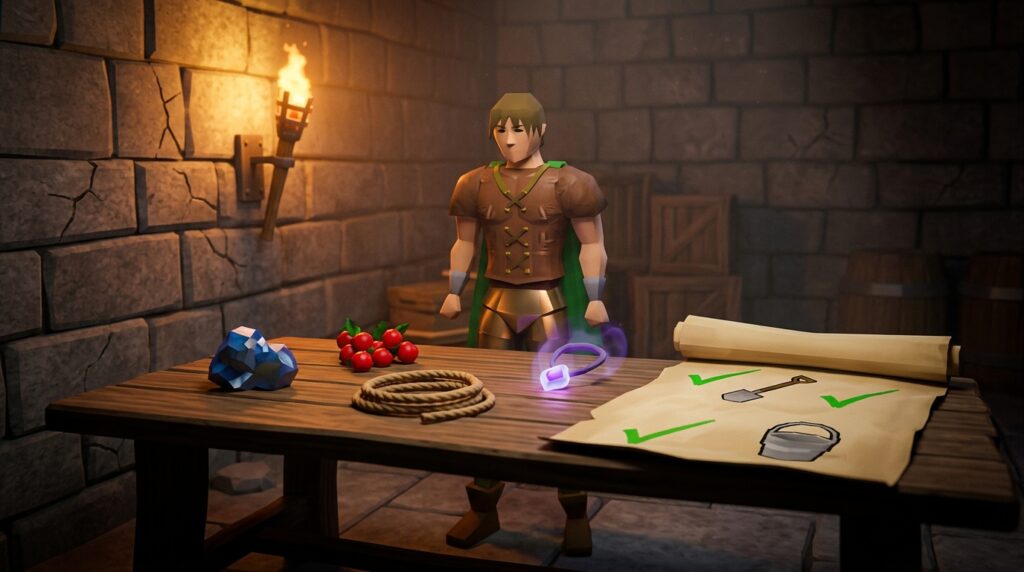
Staring down a list of over 160 quests can feel like a mountain to climb, especially when you realize you forgot a rope or a spade halfway through a dungeon. Using an osrs quest item checklist is the best way to save yourself from those frustrating bank runs and keep your momentum toward that Quest Point Cape. Whether you are gathering 50 random items like a baby dragon bone and a rotary saw for Thorgel in Mourning’s End Part II or just stocking up on stamina potions, having a plan makes the grind much smoother.
You don’t want to be the player who gets stuck in the Underground Pass without enough food or the right tools to survive. Modern tools now categorize your gear into items you’ll lose during the quest and those you can keep for later, helping you manage your precious bank space. From tracking your progress on interactive web tools to following community spreadsheets for an Ironman, these checklists ensure you spend less time walking and more time earning those sweet quest points.
Key Takeaways
- Stockpile essential tools like spades, buckets, and pots along with common materials like iron bars and soft clay to eliminate repetitive trips to the Grand Exchange.
- Retain rare quest items such as the Ghostspeak Amulet and Glarial’s Pebble to avoid tedious backtracking and re-acquiring items for future quest lines.
- Utilize interactive community tools and wiki syncing to automatically track inventory requirements and identify skill gaps before starting complex missions.
- Prepare for high-volume item requests, such as the 50-item list for Mourning’s End Part II, by gathering obscure materials in advance to maintain momentum through difficult puzzles.
Essential Early Game Items To Bank Immediately
Starting your journey in Gielinor is much smoother when you stop treating the Grand Exchange like a convenience store for every single quest. Instead of buying one item at a time, you should fill your bank with a stockpile of basic tools and supplies that appear in dozens of different missions. Grab at least five Spades, ten Buckets, and a handful of Pots right away so you never have to pause your adventure to find a general store. These humble items are the backbone of early progression, and having them ready to withdraw will save you hours of unnecessary traveling. Keeping a dedicated tab for these essentials ensures you can gear up for a new quest in seconds rather than minutes.
Beyond basic tools, you should focus on gathering common materials that are frequently requested by NPCs throughout the early game. Items like Bronze Bars, Iron Bars, and Soft Clay are used in multiple best OSRS F2P quests including The Knight’s Sword and Ernest the Chicken. It is also a smart move to keep a stack of Rope, several balls of Wool, and a few Tinderboxes in your bank at all times. By purchasing these in bulk early on, you avoid the frustration of realizing you forgot a single item halfway through a long walk to a quest location. This proactive approach allows you to chain multiple quests together, significantly speeding up your path toward the Quest Point Cape.
Rare Quest Items To Keep For Future Use
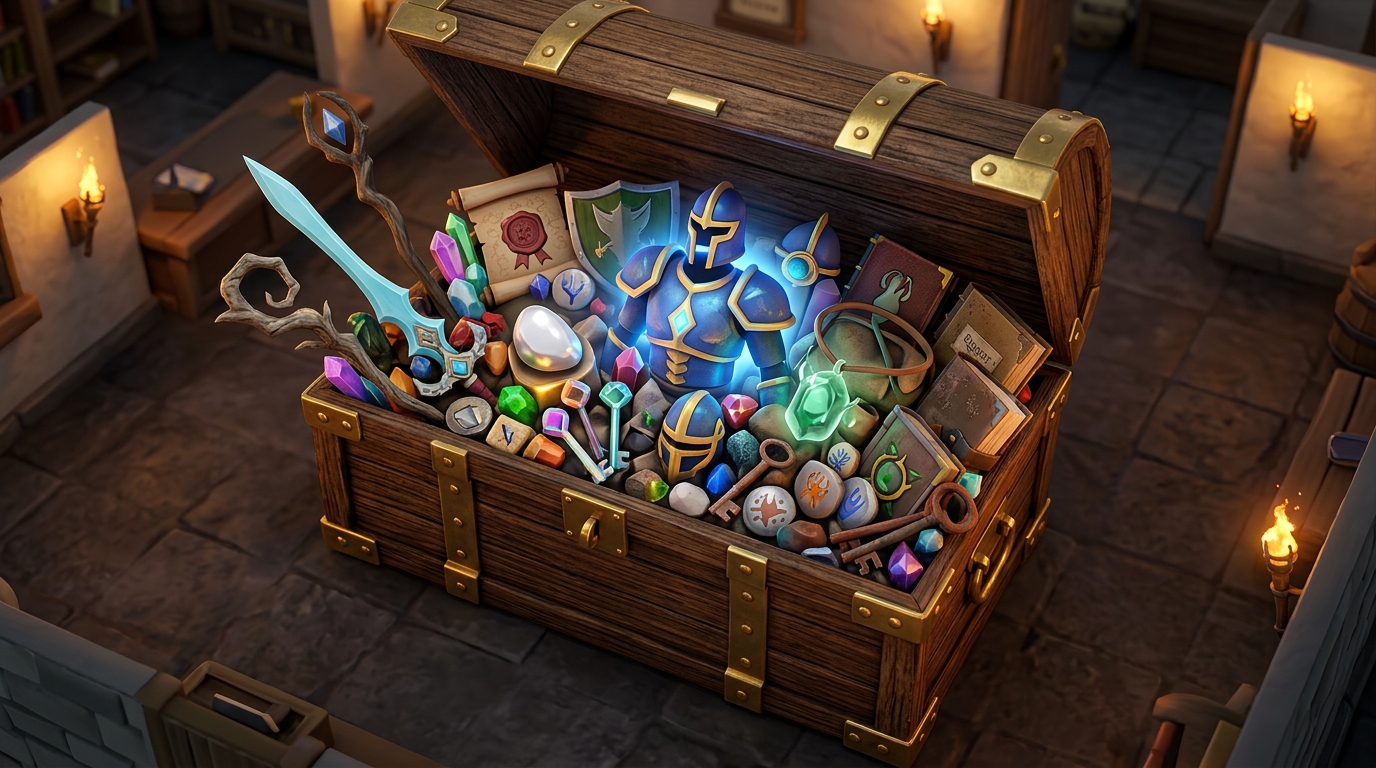
You might be tempted to clear out your bank space as soon as you see that quest completion screen, but holding onto certain rare quest items will save you hours of backtracking later. Many items in Old School RuneScape are used across multiple quest lines, and discarding them means you will have to repeat tedious mini-quests or travel to remote areas just to get them back. Keeping a Ghostspeak Amulet in your bank is a perfect example, as you will need it for dozens of ghostly encounters and various quests like Creature of Fenkenstrain or Desert Treasure. Instead of running back to Father Urhney every time a spirit needs to talk, having it ready to go makes your progression feel much smoother.
Glarial’s Pebble and the Catspeak Crate are other essential items that you should tuck away in your bank for the long haul. You will need that pebble to access Glarial’s Tomb during the Roving Elves quest and eventually for the Waterfall Quest, so dropping it early is a mistake that leads to unnecessary travel. Similarly, items like the Slops Bucket or various keys may seem like junk, but they often reappear in later sequels or achievement diaries. By maintaining a small quest corner in your bank, you avoid the frustration of realizing you need a rare drop from a distant dungeon right in the middle of a new adventure.
Early game progression in OSRS is much faster when you treat your bank like a library of useful tools rather than a trash can. You should always check if an item is easily replaceable before you destroy it, especially if it was obtained from a one time dialogue or a specific boss fight. Items like the Silverlight sword or the various pieces of the Graceful outfit are obvious keepers, but even small things like the Bullseye Lantern or specific mould sets are worth the inventory slot. Keeping these tools handy ensures that when you start a long quest like Mourning’s End Part II, you already have half the requirements sitting in your vault.
Navigating The Mourning’s End Part II Item List
Mourning’s End Part II is notorious for its difficult light puzzle, but the real challenge for many players is Thorgel’s massive 50-item checklist. Instead of waiting until you are standing in the middle of the Temple of Light, you should start gathering these items early to save yourself from dozens of frustrating trips to the bank. Keeping a dedicated tab in your bank for this quest is a smart move that will make your progression feel much smoother. You do not want to be the player who has to leave the dungeon just because you forgot a simple set of leather boots or a bucket of milk. By prepairing your inventory ahead of time, you can focus on the puzzles rather than logistics.
Some of the items on Thorgel’s list are easy to find, but others require specific steps that can catch you off guard if you are not prepared. You will need to track down unique items like the Rotary Saw, which is obtained from a cupboard in the Keldagrim workshop, and a Baby Dragon Bone usually found in the Brimhaven Dungeon. Other random objects like a charcoal, a white apron, and even a set of iron wire are required to secure the Death Talisman. Grabbing these pieces while you are already nearby for other quests or slayer tasks is the best way to optimize your playtime. Having every single 50 random items ready to go means you can hand them over in one quick session.
Efficiency is the name of the game when it comes to Old School RuneScape questing, especially for Ironman accounts with limited transport options. This checklist is one of the few times the game explicitly asks for a huge variety of low-level gear and random junk all at once. If you collect tricky items like the grain, the hammer, and the various colored dyes before you even start the quest, you will save hours of running back and forth. This proactive approach turns a daunting chore into a simple hand-in process. Once you have everything stored in your bank, you are ready to tackle the temple without any unnecessary interruptions.
Interactive Tools For Tracking Your Quest Progress
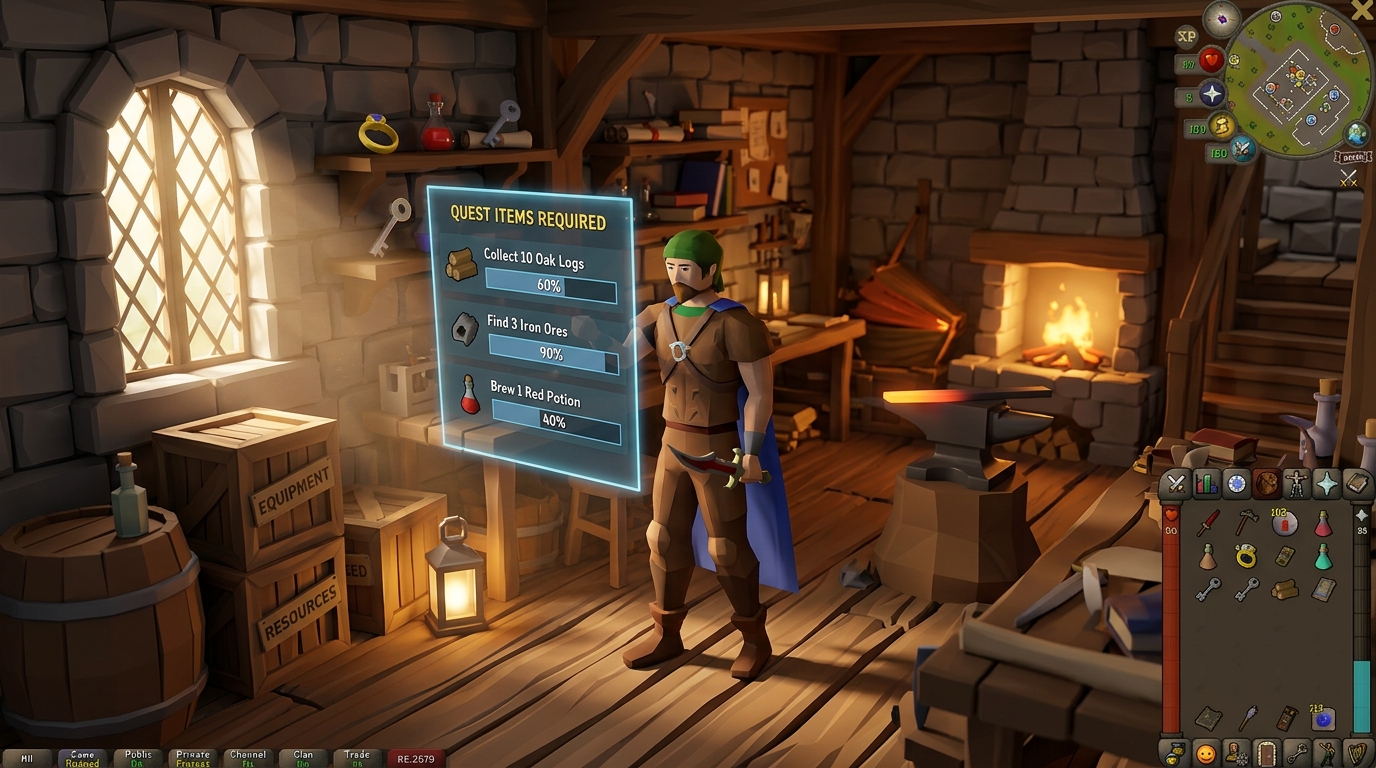
You can stop manually checking your bank every time you start a new journey by using the interactive web tools provided by the community. By linking your character to the OSRS Wiki through the crowdsourcing plugin, the site can actually read your quest completion status and current inventory. This means when you look at the requirements for a massive challenge like Song of the Elves, the page will automatically cross off items you already own. You will immediately see if you are missing that Iorwerth message or those specific seeds needed to enter Prifddinas. It turns a chaotic bank search into a simple, color coded checklist that tells you exactly what to buy from the Grand Exchange.
Syncing your highscores also helps you prepare for the long road toward the Quest Point Cape by highlighting skill gaps alongside item needs. If you are preparing for Desert Treasure II, these tools will flag if you are missing the required Firemaking level or the specific items like the Ghommal’s hilt. Instead of finding out you are missing a random item halfway through a dungeon, you can gather everything in one trip to the bank. This streamlined approach is perfect for newer players who want to avoid the frustration of running back and forth to a bank chest. Using a RuneLite Quest Helper ensures you spend more time adventuring and less time staring at your bank tabs.
Streamline Your Quests with an Item Checklist
Completing your Quest Point Cape journey is much easier when you stop making constant trips to the Grand Exchange for a single iron bar or a bowl of stew. By staying organized with a proper item checklist, you can prepare for massive quest lines like Recipe for Disaster well in advance. Having items like charcoal, spice, or a kitten ready to go means you can focus on the story and the boss fights rather than your bank interface. This approach saves you hours of frustration and keeps your inventory clean for the items that actually matter during combat.
Clearing out your bank clutter is the final step toward a stress-free path to endgame content. You should regularly check which items are no longer needed after completing difficult tasks like Mourning’s End Part II or Desert Treasure. Once you have used specific keys or quest-only tools, many can be safely discarded or stored in your Player Owned House toy box or cape rack. To stay efficient, you can master your bank space by using placeholders and custom tabs to keep your questing supplies separate from your combat gear.
Now that you have the right tools to track your progress, you are ready to learn how to unlock and use the Quest Point Cape to tackle the remaining challenges in Gielinor. Whether you are gathering the fifty random items for Thorgel or preparing for the high-stakes battles in Song of the Elves, preparation is your best friend. A little bit of planning today prevents you from getting stuck halfway through a dungeon because you forgot a rope or a light source. Grab your gear, consult your list one last time, and enjoy the feeling of finally earning that prestigious cape.
Frequently Asked Questions
1. Why should I use an OSRS quest item checklist?
Using a checklist keeps you from making constant bank runs for items like a rope or a spade when you are deep in a dungeon. It helps you maintain your momentum so you can earn your Quest Point Cape much faster without the frustration of forgetting one small item.
2. Which basic tools should I keep in my bank at all times?
You should always have at least five spades, ten buckets, and several pots ready to go in your bank. These simple items are used in dozens of quests, and having them on hand saves you from hunting down a general store in the middle of an adventure.
3. What materials are most important to stockpile for early quests?
Focus on gathering a small stash of bronze bars, iron bars, and soft clay early on. These materials appear frequently in low level missions, and having them in a dedicated bank tab allows you to gear up for a new quest in seconds.
4. How do checklists help with difficult quests like Mourning’s End Part II?
For complex quests, a checklist ensures you have all 50 random items like the baby dragon bone and rotary saw before you start. This prevents you from getting stuck in the middle of a long puzzle because you forgot a single obscure item.
5. Can a checklist help me manage my bank space?
Yes, modern checklists help you distinguish between items you will lose during a quest and gear you can keep for later. This information allows you to clear out junk from your bank as soon as a quest is finished, keeping your storage organized.
6. Are there quest checklists specifically for Ironman accounts?
There are community spreadsheets and interactive web tools designed specifically for Ironman players who cannot use the Grand Exchange. These guides help you plan exactly when and where to gather items like iron bars or charcoal so you never get stuck without a way to progress.
7. What should I bring to dangerous areas like the Underground Pass?
Always check your list for specific survival tools and enough food to last the entire trip through dangerous zones. Being prepared with the right gear ensures you do not have to restart a long trek because you ran out of supplies or forgot a vital tool.