
Your first serious Old School RuneScape raid can cost more than you expect when you add up potions, food, gear, and the risk of dying. Your OSRS raid supply costs depend on whether you’re tackling Chambers of Xeric, Tombs of Amascut, or Theatre of Blood, as well as your team size and inventory.
Grand Exchange prices change, and supplies you find during a raid can reduce what you need to bring next time. There’s no fixed price per run, but a realistic budget can help you plan for one attempt or several practice runs without spending more than you can afford.
Key Takeaways
- Budget roughly 94,000–100,000 GP for the example supply basket for one raid, or about 470,000–500,000 GP for five practice runs; check live Grand Exchange prices because costs change.
- Supply use varies by raid, experience, team size, role, and mistakes. Learning runs and solo attempts can require extra food and potions, while raid-provided supplies may reduce what you need next time.
- Estimate the cost of one raid-specific inventory, multiply it by your planned practice runs, and keep extra GP for deaths and price changes rather than spending down to your last coin.
- Balance restocking against gear upgrades: a lasting upgrade may help future runs, but keep enough GP available for supplies before committing to gear.
Per Raid Supply Cost Breakdown
Your supply bill depends on the raid, your inventory, and what you use during the run. Treat these rounded Grand Exchange figures as estimates, not fixed prices. For a simple comparison, the baskets below use prayer potions at 9,000 GP, restores at 10,000 GP, a super combat potion at 12,000 GP, a stamina potion at 8,000 GP, and manta rays at 1,500 GP each. The Tombs of Amascut basket also includes two antidote++ potions at an estimated 4,000 GP each. Check live GE prices before buying, since small price changes can add up over several runs.
| Raid | Example supply basket | One raid | Five practice runs |
|---|---|---|---|
| Chambers of Xeric | 4 prayer potions, 2 restores, 1 super combat potion, 1 stamina potion, 12 manta rays | About 94,000 GP | About 470,000 GP |
| Tombs of Amascut | 4 prayer potions, 2 restores, 1 super combat potion, 1 stamina potion, 2 antidote++ potions, 10 manta rays | About 99,000 GP | About 495,000 GP |
| Theatre of Blood | 4 prayer potions, 2 restores, 1 super combat potion, 1 stamina potion, 16 manta rays | About 100,000 GP | About 500,000 GP |
These totals give you a starting budget, not a guarantee of what each raid will cost. You may use fewer supplies with an experienced team, while learning mechanics or making mistakes can mean using extra food and potions. Supplies you find during a raid can also reduce what you need to bring next time. If five practice runs would strain your cash, start with a smaller budget and set aside some GP for gear or unexpected supply use.
CoX ToA And ToB Loadouts
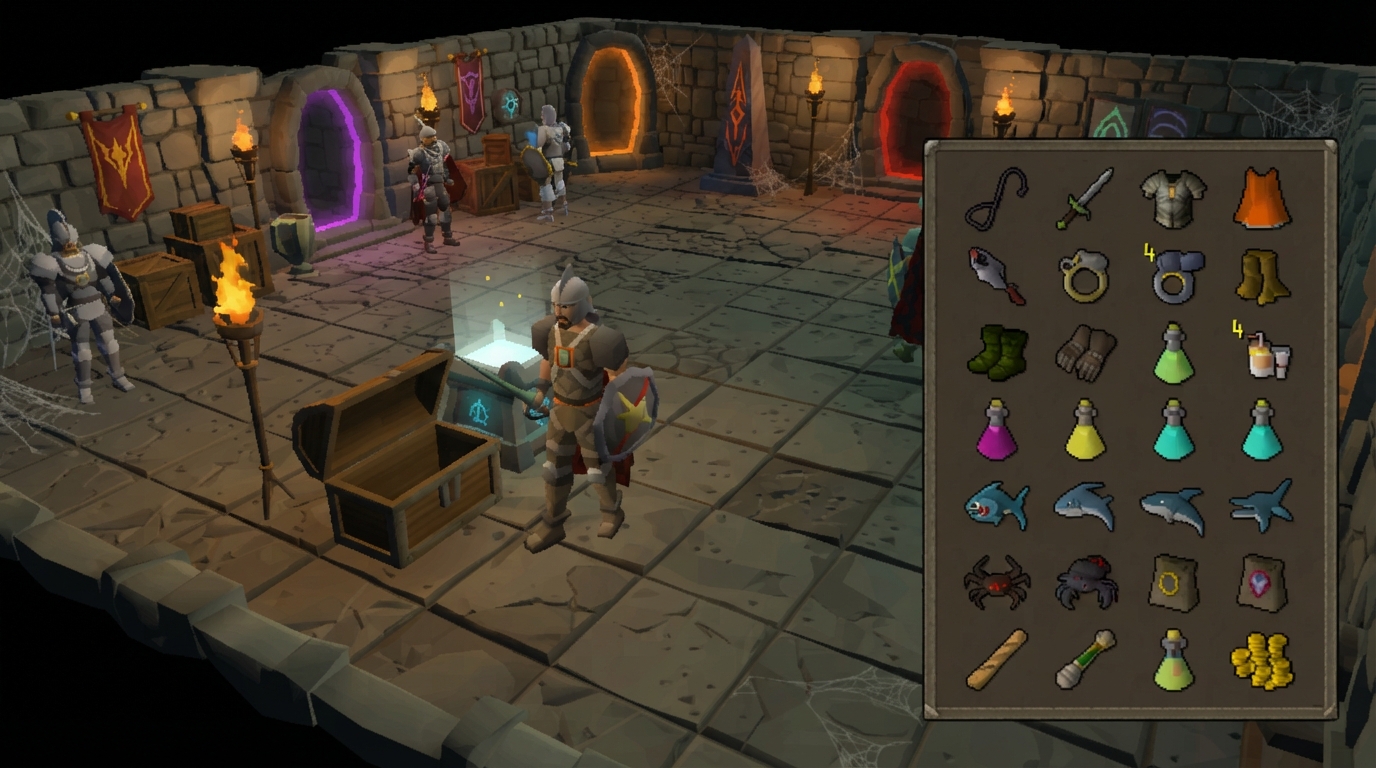
For Chambers of Xeric, your first loadout might include several prayer potions, a couple of restores, combat potions, a stamina potion, food, and poison protection if your route calls for it. Tombs of Amascut often calls for a similar mix, but you may want extra prayer supplies or food while learning bosses such as Akkha and Zebak. These items make up your upfront OSRS raid supply costs, so check their Grand Exchange prices before buying a full stack for practice. CoX prep rooms and ToA’s supply options can provide useful resources during a raid, which may reduce what you need to carry in.
Theatre of Blood gives you less room to adjust your plan mid-raid, so bring enough prayer potions, restores, combat potions, stamina, and food for your team’s pace and your experience level. Poison protection is situational, so only pay for it if your route or team strategy calls for it. Learning runs may cost more across all three raids because you might use extra food and potions or die before reaching supplies that could help later. Start with a modest loadout, track what you actually use, then compare that recurring cost with a gear upgrade or more practice before committing to several runs.
Solo Team And Gear Tradeoffs
Solo raids can raise your OSRS raid supply costs because you handle every mechanic yourself. Longer runs and extra mistakes can mean using more food, prayer potions, and restores. In a team, faster kills may reduce supplies per player, but your role still matters. You may need extra food if you take more hits or help teammates. For example, compare the supplies you use in a solo Tombs of Amascut run with what you use in a team run instead of assuming every player needs the same basket. Raid supplies and mechanics can also affect what you carry, so track a few attempts before setting a firm budget.
Deaths and practice runs can make your first-raid budget less predictable because you may use supplies on an attempt that doesn’t end in a completion. Estimate the cost of one full inventory using current Grand Exchange prices, then multiply it by the number of runs you expect to practice. If another inventory would cost more than you can comfortably replace, consider earning GP first or saving for a lasting gear upgrade that could make future runs easier. A better weapon or useful armor upgrade may be a smarter purchase than repeatedly restocking, but don’t spend your entire supply budget on gear and leave yourself unable to raid.
Estimate Your OSRS Raid Supply Costs
Your OSRS raid supply costs depend on the raid and the loadout you plan to use. Build your estimate from a raid-specific basket rather than a generic price. Check current Grand Exchange prices for items such as prayer potions, restores, combat potions, stamina potions, and food, then add up the cost for one run. Multiply that total by the number of practice runs you want to afford. Keep in mind that raid rewards and supplies you find during a run can change what you need to bring next time. Leave extra GP for deaths or price changes instead of budgeting down to your last coin.
Once you have your total, compare it with the cost of upgrading gear or spending more time earning GP before you start. If supplies are taking too much of your bank, a smaller practice budget may make more sense than buying every upgrade at once. A clear plan helps you decide whether to stock up for Chambers of Xeric, Tombs of Amascut, or Theatre of Blood, and gives you room to learn without overspending. If you’re considering outside help, learn why paying for OSRS raid services can put your account at risk before you decide.