
Wondering about OSRS raid gear requirements before you commit to a difficult PvM goal? None of Old School RuneScape’s three main raids requires a fixed gear set, but you need reliable options for melee, ranged, and magic. A defence-reducing special attack weapon, poison, freezes, and a pickaxe can also make a big difference.
Your best setup depends on the raid, team size, account build, and experience. Tombs of Amascut is the easiest place to start because Entry Mode lets you practise safely. Chambers of Xeric supports flexible solo and group progression, while Theatre of Blood requires stronger teamwork and more polished combat skills. Knowing which items are essential and which are upgrades helps you spend your gold wisely and enter each raid prepared.
Key Takeaways
- OSRS raids do not require fixed Best-in-Slot gear, but you must reliably cover melee, ranged, and magic while bringing key utility such as freezes, poison, a pickaxe, and a defence-reducing special attack weapon.
- Use practical milestones rather than rigid requirements: combat stats in the 70s can support Entry Mode learning, while roughly 80–90+ stats make Normal Mode raids more consistent and forgiving.
- Start with Tombs of Amascut Entry Mode for the safest progression, use Chambers of Xeric for flexible team or solo development, and approach Theatre of Blood only after building stronger mechanics and teamwork.
- Prioritize balanced weapons and enough food, prayer potions, restores, stamina, and other supplies before expensive upgrades; improve your gear with raid profits once your clears become consistent.
OSRS Raid Stat Milestones
There are no hard OSRS raid gear requirements for standard completion, so treat your stats as practical milestones instead. For Entry Mode Tombs of Amascut, combat stats in the 70s are enough to start learning with affordable gear such as an Abyssal whip, fighter torso, blessed dragonhide, and trident of the seas. Beneath Cursed Sands is required to access ToA, and completing it also prepares you for the desert mechanics inside the raid. For Normal Mode, aim for roughly 80 or higher in Attack, Strength, Defence, Ranged, and Magic before spending heavily on supplies. Higher stats make mistakes less costly.
Chambers of Xeric has no separate entry mode, so your first learner runs can feel less forgiving than Entry Mode ToA. Around 80 combat stats can work in a team, but 85 or higher in Ranged and Magic, along with a reliable melee weapon, makes your damage more consistent and reduces pressure on your teammates. You do not need Best-in-Slot gear, but you should cover all three styles and bring useful tools such as a dragon warhammer or Bandos godsword if available, a trident, and a ranged weapon with enough ammunition. If your budget only supports weak weapons and stats in the low 70s, improving your account first will usually save more supplies than forcing repeated solo attempts.
Theatre of Blood has the highest learning barrier, although Entry Mode gives you a safer way to practise its rooms and movement. For Entry Mode ToB, combat stats in the 75 to 80 range and basic coverage for melee, ranged, and Magic can be enough to learn. Normal ToB is much more comfortable with 90 or higher in Strength, Attack, Defence, Ranged, and Magic. A Taste of Hope is required to access the Theatre. You should also plan for accurate melee gear, strong ranged damage, useful freezes, and a defence-reducing special attack weapon. Treat these numbers as targets rather than rules, then compare the cost of upgrades, supplies, and deaths before moving from mid-game gear into regular raid attempts.
Budget Gear For Each Combat Style
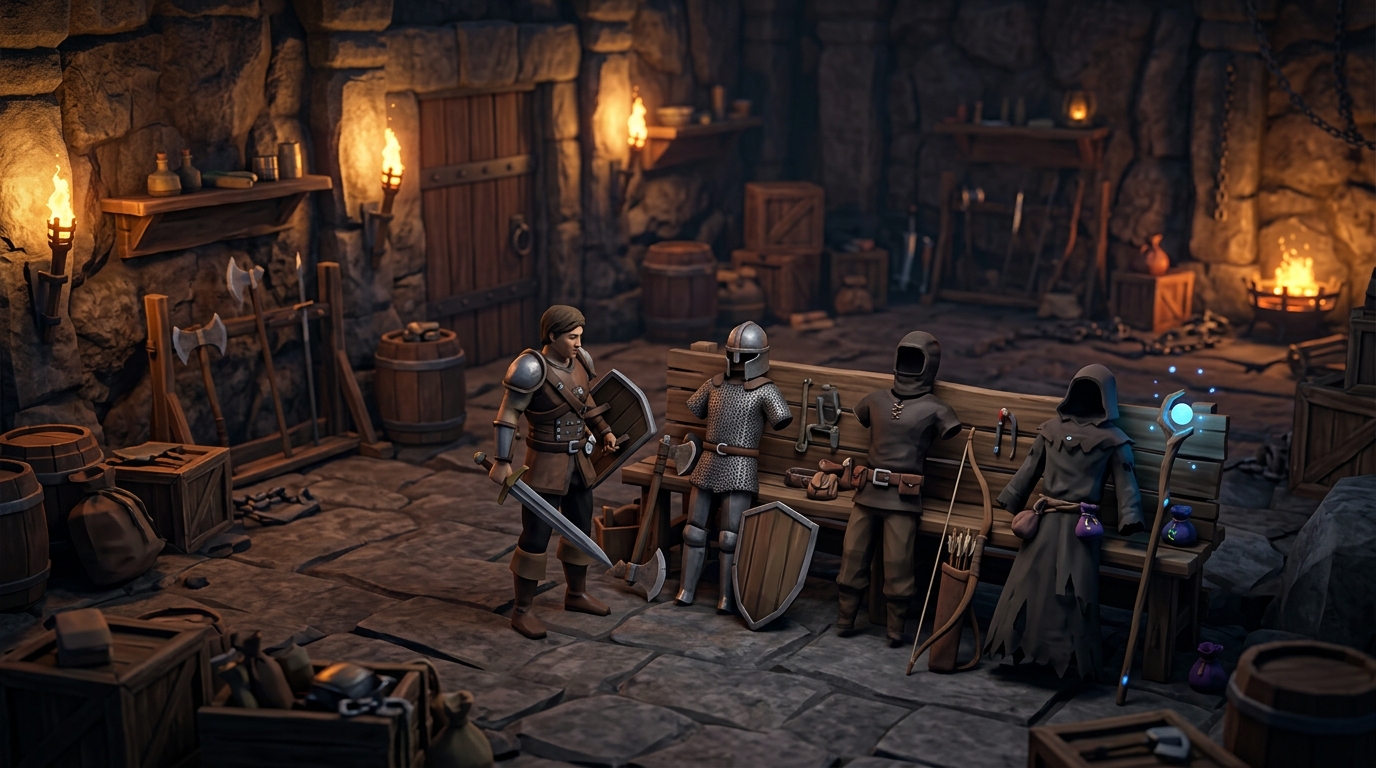
A budget melee setup can carry you through early Chambers of Xeric and Entry Mode Tombs of Amascut learning runs. Start with an Abyssal whip for general damage, or a Zamorakian hasta when you need a strong stab weapon. Pair it with affordable strength gear such as a fighter torso, dragon defender, and berserker ring. These items are enough to learn room mechanics and practise positioning, especially in teams or at lower raid levels. You can wait on Osmumten’s fang until your raid profits support it, since its higher price is easier to justify once you are comfortable with the mechanics and have the 82 Attack requirement.
For ranged, a rune crossbow is a practical starting point for safe damage, affordable bolts, and special attacks. A dragon crossbow provides a useful upgrade without the cost of top-tier weapons. A toxic blowpipe is especially helpful against weaker targets because of its fast attacks, but its scales and darts create an ongoing supply cost that belongs in your gear budget. Aim for the relevant combat levels, such as 61 Ranged for a rune crossbow, 70 for a dragon crossbow, and 75 for a blowpipe. Remember that raid success also depends on your armour, prayers, and supplies. The Bow of Faerdhinen is a major upgrade for Chambers and Tombs, but it should usually wait until regular raid profits can cover its cost and crystal armour.
Magic coverage is essential, even with a low-cost setup. A trident of the seas is enough to learn many raid encounters once you have 75 Magic. Bring useful utility items as well, such as a pickaxe, a poison option, and a defence-reducing special weapon when your team can afford one. These tools often matter more than small armour upgrades. Your first goal is a balanced setup that covers all three combat styles without draining your bank on supplies after every attempt. Tumeken’s shadow is a powerful long-term upgrade, but save it for later, when your experience and profits can support its expensive charges and the stronger magic gear needed to use it effectively.
ToA And CoX Gear Requirements
OSRS raid gear requirements are flexible, but you should still cover melee, ranged, and magic before attempting ToA or CoX. For Tombs of Amascut, a Keris partisan, trident of the seas or swamp, and blowpipe or Bow of Faerdhinen provide useful coverage. A fang or hasta can improve your melee damage. A budget setup can use mystic or Ahrim’s robes for magic, blessed dragonhide for ranged, and a fighter torso with barrows legs for melee defence. Bring a defence-reducing special weapon such as a dragon warhammer or Bandos godsword when possible, along with a dragon dagger or similar finishing weapon. You will also want basic switches such as a rune or dragon pickaxe, an ancient staff for freezes, and prayer or defensive upgrades that fit your budget.
ToA is usually easier to adapt because Entry Mode and lower invocations let you learn without Best-in-Slot equipment. At low invocations, mid-game weapons such as a trident, blowpipe, dragon crossbow, and hasta can work if your combat stats and mechanics are solid. As you raise the invocations, stronger gear becomes more valuable. A Bow of Faerdhinen, fang, swamp trident, and better defensive armour can make mistakes less punishing and runs more consistent. Higher-level setups also benefit from stronger special attacks, more accurate ranged gear, and supplies that restore prayer and health efficiently. Start at a difficulty where your current gear leaves room for mistakes, then increase the invocations after you can finish runs without wasting most of your supplies.
CoX gear requirements depend more on your party size and room roles because each player may not need the same tools. In a team, one player might handle ice barrages, another might bring a long-range weapon for Olm’s head, and someone else might cover a pickaxe, antipoison, or extra stamina potions. A trident, Bow of Faerdhinen or crossbow, and lance, fang, or hasta provide a practical foundation across all three styles. A dragon warhammer or Bandos godsword remains useful for defence reduction. Budget gear can work in a larger, experienced team, but small teams and solo runs demand better damage, more accurate switches, and stronger supplies because you receive less help and spend longer in each room. Before committing your bank, check that you can afford enough food, restores, stamina potions, antipoison, and utility items for several learning attempts, not just the weapons.
Raid Supplies And Upgrade Budget
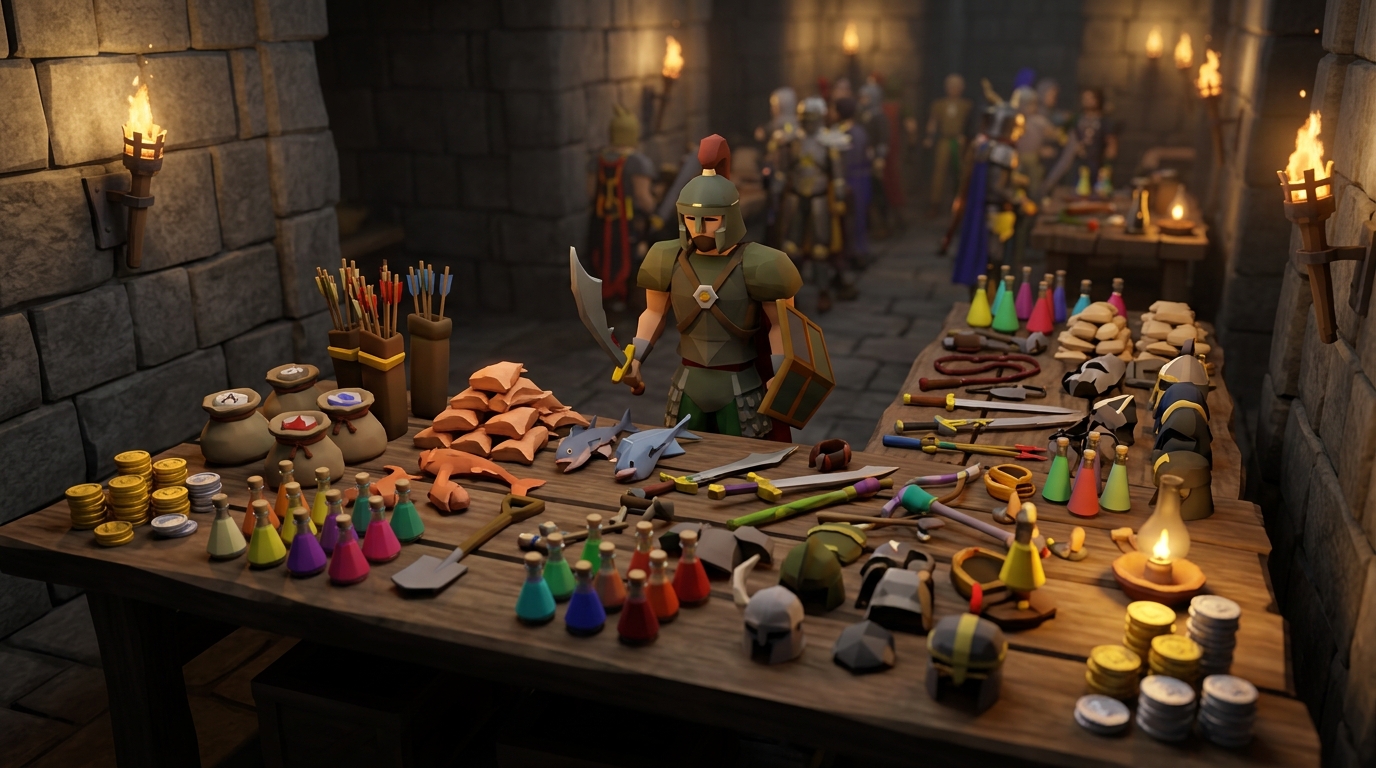
Your OSRS raid gear requirements include supplies that can matter as much as your weapons and armour. Bring high-healing food such as anglerfish, prayer potions, and super restores. You may also need antidotes or antipoison for rooms and bosses that can poison you. Stamina potions help with long runs and movement-heavy rooms, while super combat potions and bastion potions improve your melee, ranged, and defence stats. Your exact inventory changes between Chambers of Xeric, Tombs of Amascut, and Theatre of Blood, but running out of prayer or healing is a common reason a learning attempt fails.
- High-healing food, such as anglerfish or similar food suited to your account
- Prayer potions and super restores
- Antidotes or antipoison, plus stamina potions
- Super combat potions and bastion potions
- Freeze spells, runes, and a way to inflict poison when the raid calls for it
- A usable pickaxe for raid rooms and mechanics
- A defence-reducing special attack weapon, such as a dragon warhammer, Bandos godsword, or bone dagger
Build your upgrade budget around reliable weapon coverage before expensive armour or luxury items. Start with practical upgrades such as a trident or toxic trident for magic, a toxic blowpipe or strong crossbow for ranged, and an Osmumten’s fang or another dependable melee weapon. Then add raid-specific tools such as freezes, poison, a pickaxe, and a defence-reducing special attack weapon. Once you can attack with all three styles and carry enough supplies for the full raid, improve your armour and higher-end weapons as your budget allows. This approach lets you learn Entry Mode ToA or beginner Chambers without wasting money on failed attempts. Save luxury upgrades for when your clears become consistent.
Meet Practical OSRS Raids Gear Requirements
You do not need Best-in-Slot gear to meet practical OSRS raid gear requirements. Aim for realistic milestones such as combat stats in the 70s, 43 or higher Prayer, and usable weapons and armour for melee, ranged, and magic. A setup with an Abyssal whip or dragon scimitar, blessed or black dragonhide, and mystic robes can help you learn Entry Mode ToA or low-level Normal raids without risking your entire bank. Bring useful support items as well, including a special attack weapon for defence reduction, a pickaxe, poison where relevant, and freezes if your chosen raid needs them. As your clears become more consistent, use raid profits to fund upgrades instead of buying expensive gear before you understand the mechanics.
Choosing the right raid matters as much as choosing your equipment. Tombs of Amascut is usually the best starting point because Entry Mode lets you practise and adjust the difficulty. Chambers of Xeric offers strong progression if you are ready to learn its mix of combat and skilling rooms. Theatre of Blood generally has the steepest learning curve, so approach it after you have stronger mechanics and team experience. Start with a raid that matches your current skill, protect your supplies and bank, and remember that paying for raid services can create serious account risks, as explained in Why Paying For OSRS Raid Services Is A Massive Risk To Your Account.