
Start your OSRS service safety checklist with Jagex’s rules: paying someone to play your account counts as real-world trading, and players must not share accounts. Before you pay, check what access the provider requests, whether its service and refund terms are clear in writing, and what payment records you can keep. Jagex’s Rules of RuneScape also warn that sharing can put your account’s security at risk.
These checks address different risks. A receipt may help you explain a billing dispute, but it cannot make account sharing comply with game rules. A quest, Fire Cape, or Chambers of Xeric service may require you to hand over account access. For U.S. credit-card users, the FTC’s billing-dispute guidance says a written dispute generally must reach the card issuer within 60 days after the first bill containing the error was sent. Debit-card protections and timelines differ. Review your Jagex Account security and weigh the risks before sharing credentials.
Key Takeaways
- Jagex’s rules treat paying someone to play your OSRS account as real-world trading and prohibit account sharing, so clear terms, positive reviews, or VPN claims do not make a piloted quest or Fire Cape service permitted.
- Before you pay, get written details about the exact task, account access, completion conditions, cancellation terms, and dispute process, and walk away if the provider gives vague answers or pressures you to pay by gift card.
- You should weigh account access, the source of any OSRS gold or items, and payment-data handling as separate risks, because a service that avoids account access can still involve goods obtained through botting or account hijacking.
- Before and after an order, review your Jagex Account recovery options and linked accounts, watch for unfamiliar activity, and save the service description, terms, payment confirmation, and provider messages.
- For a U.S. credit-card billing error, your written dispute generally must reach the card issuer within 60 days after the first bill showing the error was sent; debit-card protections and timelines differ.
What Risks Should You Check First?
Before you pay, check the risk of breaking Jagex’s rules, the account access a provider needs, how clearly the service is described, and what happens if you dispute the payment. A provider completing an OSRS quest, earning a Fire Cape, or running Chambers of Xeric by playing your account may need your login details. That creates both account-security and rule-related risks. A receipt or order record may help explain a billing dispute, but it cannot make account sharing comply with game rules. A service that delivers gold or items without logging into your account has a different risk profile. You still need to consider how those goods were obtained: Jagex warns that sellers may use botting or hijack other players’ accounts. Also consider how the provider handles your payment details and personal information, which could be exposed to misuse. Check whether the provider explains what the order includes, how it will be carried out, what access it requires, and how disputes are handled. Vague terms can leave you unsure what you paid for or what to expect if the service is not delivered as agreed. Account access, the origin of gold or items, and payment handling are separate concerns. Clarity about one does not remove the others. Use this quick test: Do you understand exactly what the provider will do? Do you know what access it needs? Do you understand what happens if you dispute the order? Do you accept the remaining risk?
Does The Service Follow Jagex Rules?
No. Paying someone to play your OSRS account conflicts with Jagex’s rules, even if the provider completes the task as promised. Jagex treats paying someone to play your account as real-world trading, and its rules prohibit sharing, transferring, or lending accounts. This applies to account-play services for tasks such as completing a quest, earning a Fire Cape, or playing Chambers of Xeric.
This is a game-rule risk, not just a question of whether a provider offers good customer service. Clear order terms, fast replies, positive reviews, or a refund promise may help you judge how the provider handles a transaction, but none of them makes paid account-playing permitted. They also cannot guarantee that your account will avoid penalties.
Sharing account access can weaken security, expose your items and personal information, and put your account at risk if the other person breaks rules while using it. A provider’s claim that it uses a VPN, avoids detection, or follows a safe method does not change who is playing your account or remove the underlying rule risk.
A service that sells OSRS gold or items instead of playing your account raises a separate concern. Jagex warns that sellers may obtain gold or items through botting or by hijacking other players’ accounts. Buying from a seller can also expose your payment details or personal information to misuse. A provider’s reputation or account-security steps do not show where its gold or items came from, and they cannot eliminate the risk of misuse.
Treat claims about VPNs and detection as descriptions of the provider’s approach, not proof that your account is safe from penalties. A provider may describe its process confidently, but the rules still apply to the activity you pay for.
How Do You Vet A Provider Before Paying?
Before placing an order, get clear, written answers about the task, account access, service terms, and support. Use these steps to check what you can find out in advance.
- Ask how the service is delivered. Find out whether it is piloted, meaning someone logs in and plays your character, or delivered without access to your account. Get the answer in writing.
- Check the task description. For an OSRS quest, the description should name the quest and say whether completion means it is marked complete in-game. It should also explain when and how you can expect updates.
- Read the terms before ordering. Confirm in writing what happens if you cancel and how the provider handles a dispute about incomplete or different work. Save the description and terms with your order records.
- Check the support channel. Find out how to contact the provider about an order and whether you can keep a written record of the conversation. If the provider avoids questions about access or terms, pause before ordering.
- Watch for warning signs. Pressure to pay quickly, vague answers about account access, requests for passwords in public messages, and promises of guaranteed safety are all reasons to stop and reconsider.
- Limit account exposure before sharing anything. Use a unique password for your Jagex Account and check for third-party accounts linked to your character that you do not recognize. These steps can reduce exposure, but they do not make account sharing comply with Jagex’s rules.
- Separate editorial information from provider claims. A publication is not an OSRS service provider. Offers or safety information published by a publication are editorial material, not proof of a provider’s claims, and the publication does not perform the service.
Choose A Payment Method With Recourse
For U.S. credit-card billing errors, the Fair Credit Billing Act covers certain problems, including a charge for a service that was not delivered as agreed. A written dispute generally must reach your card issuer within 60 days after it sent the first bill showing the error. The issuer generally must acknowledge the dispute within 30 days and resolve it within 90 days. These steps let you ask the issuer to review a billing error, but they do not guarantee a refund. If an OSRS service promised a Fire Cape but did not deliver it, keep the written promise and order details so you can explain the difference.
U.S. debit-card and other electronic-fund-transfer protections work differently. CFPB guidance says to report a lost or stolen debit card within two business days to limit potential liability to the lesser of the unauthorized amount or $50. Report a statement error within 60 days. A bank or credit union generally has 10 business days to investigate a reported unauthorized transaction, or 20 business days if the account has been open for less than 30 days. These timelines concern electronic-fund-transfer problems. They are not the same as the credit-card billing-error process for a service that was not delivered as agreed. Neither payment method guarantees that you will recover money.
A provider asking you to pay with a gift card is a scam warning sign. The FTC’s gift-card scam guidance advises contacting the card issuer if you shared a gift-card number or PIN. Paying by gift card can also leave you with fewer practical ways to ask a payment provider to review what happened.
Before paying, save the service description, the terms in effect when you ordered, the payment confirmation, and your messages with the provider. Keep them together in one folder or take screenshots that show the order details and conversation. If you contact your card issuer, bank, or credit union, these records can help you explain what the provider promised and what you received.
Use A Checklist During And After The Order
Monitoring an OSRS order can help you spot changes, but it does not remove the risk of sharing your login details. Jagex’s privacy policy describes collecting game activity, stats, history, progress, purchases, and interactions. External payment providers process financial data for purchases from Jagex. Use this checklist at each stage:
- Before the order starts, check your account’s recovery options. Make sure you can still use them, set a unique password, and review the third-party accounts linked to your character. Remove or investigate any link you do not recognize before proceeding.
- While the order is active, track it in the agreed channel. Compare each update with the written description, such as whether the named OSRS quest is marked complete. Pause the order if the provider asks for extra account access or payment that you did not agree to.
- If you see unfamiliar activity or get an unexpected access request, stop and secure the account. Do not send more login details or payment. Review recovery options and linked accounts, change the password, and use Jagex’s account-recovery process if you cannot regain control.
- After the order, review account access, linked accounts, inventory, payment activity, and settings. Check for unfamiliar logins or links, missing items such as OSRS coins or gear, unexpected bank or card charges, and changes to account settings. If anything looks wrong, secure the account and contact the relevant account or payment provider. Changing a password or recovering items cannot guarantee that a penalty will be reversed or losses restored.
Run This Pre-Order Safety Checklist
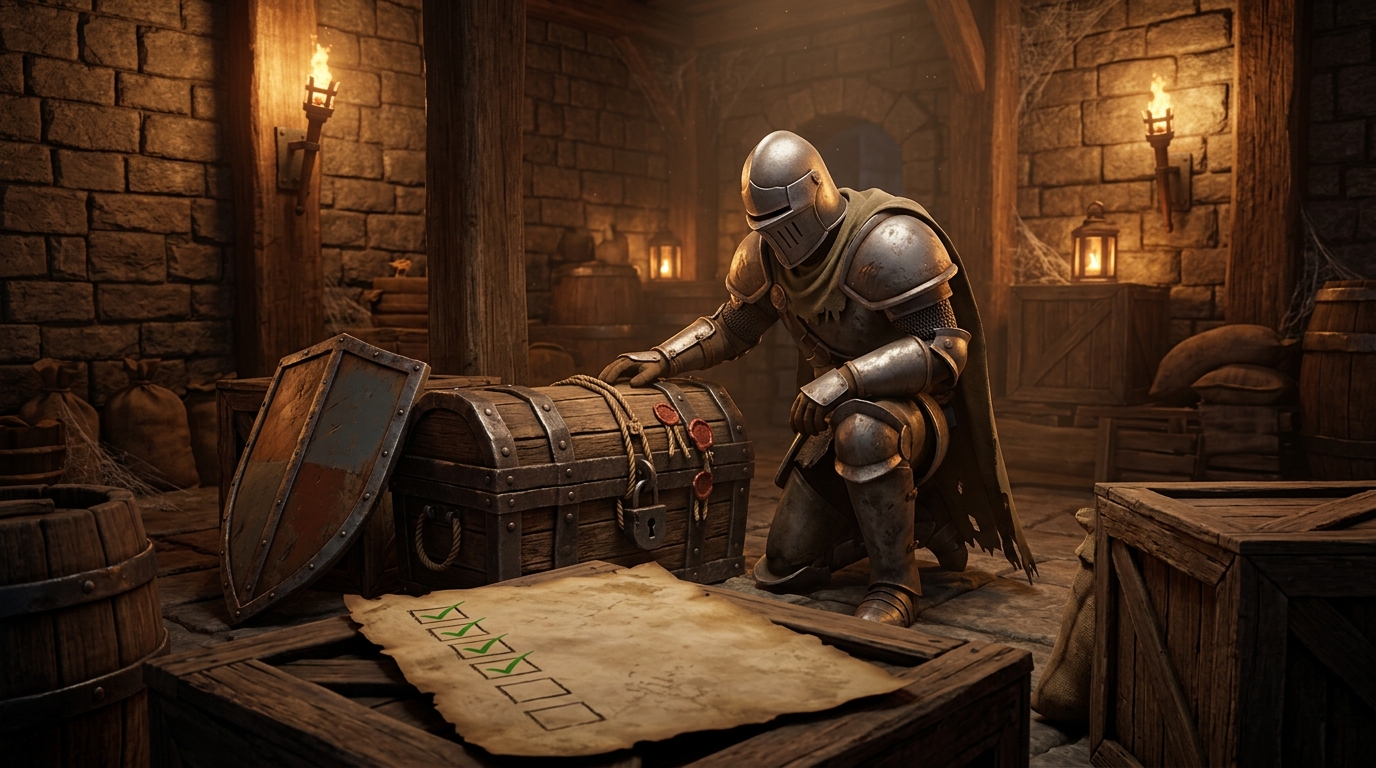
Before paying for an OSRS quest, Fire Cape, or other service, use this checklist to decide whether to go ahead, pause, or walk away. “Go” means you understand the terms and accept the remaining risk. It does not mean Jagex approves the service or that it is guaranteed safe.
- Task: Can you describe exactly what the provider will do, and whether someone must play your account to complete it?
- Rules and risk: Have you read the relevant Jagex rules and decided whether you accept the account and penalty risk of the service?
- Written terms: Are the price, completion conditions, support process, and cancellation terms written down and clear? For a quest, confirm which quest must be marked complete.
- Payment: Do you understand how to raise a dispute through your payment method, and have you saved the offer, order details, and messages?
- Information: Have you avoided sharing more account, personal, or payment information than the transaction requires?
- Decision: Is every answer clear? If not, pause. Positive reviews and a provider’s safety promise are not guarantees. It is reasonable to walk away if the risks remain unclear.
Make Your Decision Before Sharing Access
Before opening a provider’s login form, decide whether you are willing to accept the account risk. If an OSRS quest or Fire Cape order requires someone else to play your account and you are not comfortable with that, stop. Do not send your password, recovery details, or login codes, and do not pay for the order. A service that does not require account access still raises separate risks, including how goods are obtained and how payment and personal information are handled.
If you are still considering payment, write down your conditions before contacting the provider: the exact task, the access required, the payment method, and what would make you cancel. For example, decide in advance that you will walk away if the provider changes the task, asks for extra access, or pressures you to pay by gift card. Consider your decision separately from reviews or promises of safe play.
Payment risk extends beyond OSRS. The FTC’s Consumer Sentinel Network recorded $2.089 billion in reported losses associated with bank transfers or payments and $1.417 billion associated with cryptocurrency in 2024. Those figures cover general consumer fraud, not OSRS services. Use them as a reason to pause before making a payment you cannot comfortably afford to lose.