
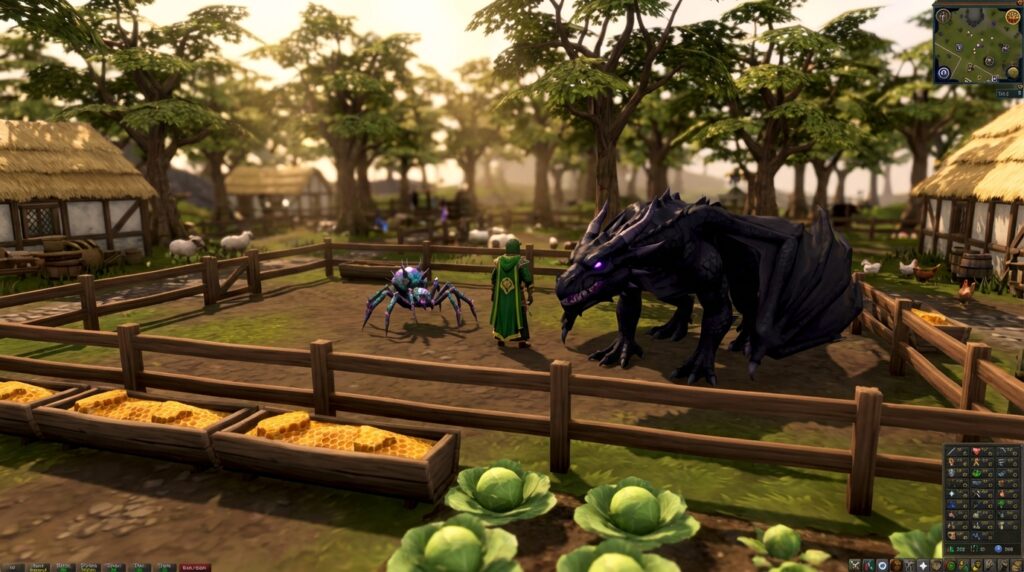
If you are tired of the traditional plant and wait routine, the RS3 player owned farm at Manor Farm is the perfect way to supercharge your Farming level. Located just north of East Ardougne, this activity lets you trade in your watering can for a pitchfork to raise animals like fluffy rabbits and massive dragons. You will earn massive amounts of experience and a special currency called Beans, which you can spend on powerful upgrades and rewards.
Getting started is easy as long as you have level 17 Farming and level 20 Construction to build your first pens. Simply head to the Ardougne lodestone and talk to Granny Potterington, who will walk you through the basics and give you your very first animals. Whether you want to breed animals for profit or just want the fastest experience in the game, managing your own livestock is a great addition to your daily RuneScape routine.
Key Takeaways
- Player Owned Farm requires level 17 Farming and level 20 Construction to begin, offering a high-experience alternative to traditional crop-based training.
- Maximize your currency gains by selling animals at the Adolescent stage for the most Beans, while waiting until the Elder stage provides the highest Farming experience drops.
- Establish self-sustaining breeding pairs with traits like Studly and Joyful to automate animal production and ensure livestock remains healthy without constant manual intervention.
- Prioritize raising Chinchompas, Zygomites, and Dragons in their respective pens to optimize the balance between experience gains and Bean production.
Getting Started At Manor Farm With Granny Potterington
To jumpstart your Farming gains at Manor Farm, you first need to meet a few basic requirements. You will need at least level 17 Farming and level 20 Construction to participate in this livestock-focused training method. Once you have those levels, head just north of the East Ardougne Lodestone to find the farm. Look for Granny Potterington, the friendly NPC who manages the area and serves as your primary guide. She is eager to show you the ropes and will get you started with a quick, hands-on tutorial.
During the tutorial, Granny Potterington will walk you through the process of repairing your very first small pen. She provides the initial materials and your first set of animals, which are typically rabbits. You will learn how to place these animals into the pen, check their health, and provide them with the food they need to grow. Following her instructions carefully ensures you understand the interface and the basic loop of animal care. This foundation is essential before you move on to more complex creatures like chickens or sheep.
Once your small pen is functional and your rabbits are settled, you can begin exploring the breeding mechanics. Rabbits are the perfect starting point because they reproduce quickly, allowing you to see how traits and growth stages work in real time. Breeding your animals is the key to earning massive amounts of experience and collecting Beans, the unique currency used to upgrade your farm. As you harvest your first batch of fully grown rabbits, you will realize how much more relaxed this method is compared to traditional tree runs. This simple start paves the way for a highly efficient and profitable Farming journey.
Managing Small Medium And Large Pens For Maximum Beans
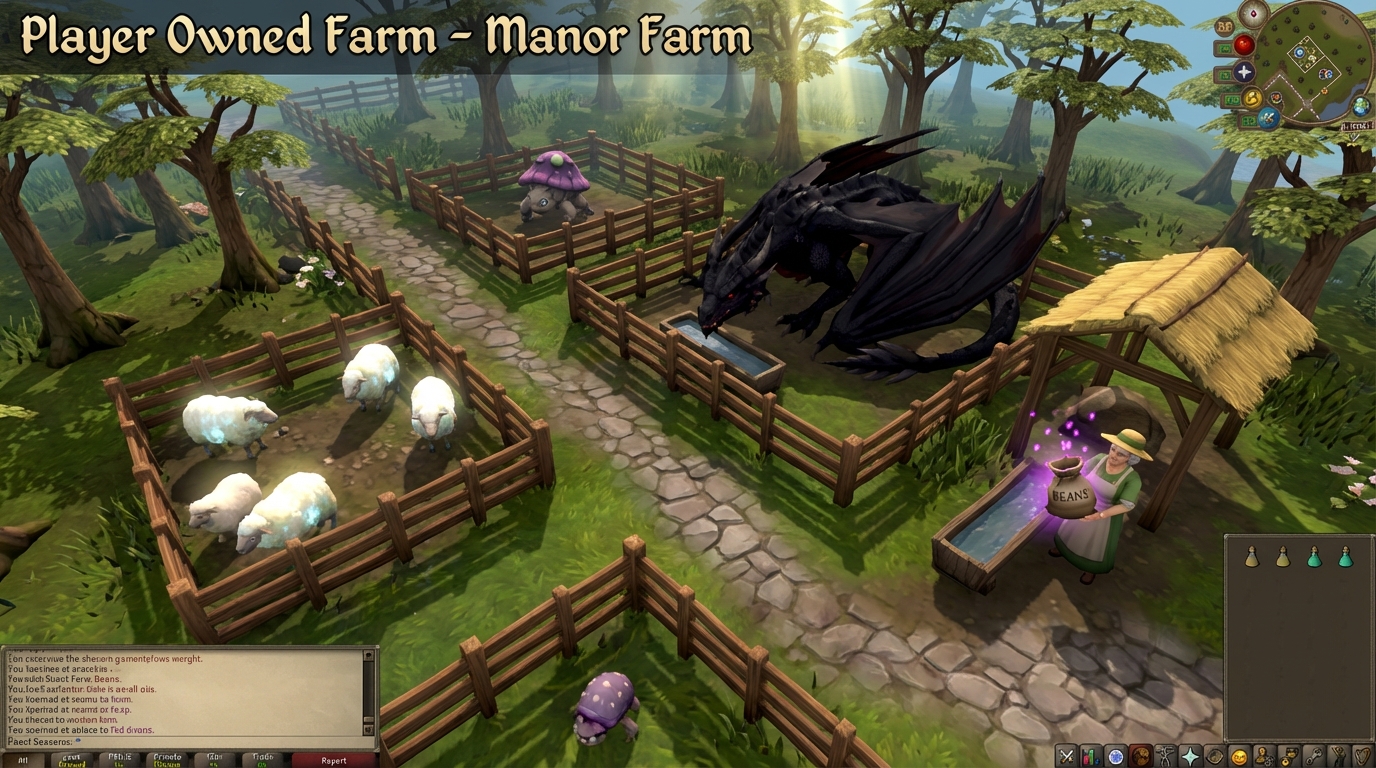
To maximize your bean production, you need to stock each pen with the most efficient animals for your current Farming level. In small pens, raising Chinchompas is the gold standard because they breed quickly and provide a steady stream of beans. For your medium pens, Zygomites are the best choice, though you should remember they only eat mushrooms, which can be gathered easily from the Zanaris fairy ring area. Large pens are where you will see the biggest returns by raising Dragons, as their high value makes them the ultimate source of currency once you reach level 92 Farming.
Timing your sales is the most important part of managing your livestock if you want to earn the most beans possible. You should always aim to sell your animals to the specific NPC buyers when they reach the Adolescent growth stage. While Elder animals give more experience when harvested, buyers at the Manor Farm pay a significant premium for Adolescents because they are in their prime. If you miss this window, you will receive fewer beans, so checking your pens regularly is key to maintaining a profitable farm.
Optimizing your pens also involves managing your breeding pairs to ensure you never run out of new stock. By keeping a male and female with good traits in each breeding pen, you can produce offspring automatically while you are away from the game. Focus on unlocking the Farm Upgrades from Granny Potterington to allow breeding in small, medium, and large pens directly. This setup transforms your farm into a passive bean machine, allowing you to focus on buying powerful rewards like Master Farmer outfits or growth potions.
Breeding For High Value Traits And Perfect Animal Genes
Mastering the Breeding Pen is your ticket to a low-effort Farming experience that yields massive amounts of experience points. To get started, you should focus on obtaining animals with the traits like Studly, which significantly increases the chances of your livestock producing offspring. By pairing two parents who both have this trait, you create a cycle of constant growth that keeps your pens full without you needing to buy new animals. This is especially helpful for high-level creatures like massive dragons or Dinosaurs, where every new birth represents a huge chunk of potential experience. You will find that a little bit of setup in the beginning saves you hours of manual work later on.
Keeping your animals happy and healthy is just as important as how fast they breed, as sick animals provide much less experience and fewer Beans. You should look for traits like Joyful or Immune, which ensure your livestock stays at 100 percent happiness and health even if you forget to check their food troughs. These specific genes are incredibly valuable because they allow you to take a more relaxed approach to your daily farm runs. When your animals are always in peak condition, they are more likely to pass on their best qualities to their children. This creates a perfect lineage of productive animals that makes your journey to level 99 or 120 Farming much smoother.
Once you have established a strong breeding pair with three trait slots, you can use Trait re-roll tokens to fine-tune their genetic makeup. Your goal is to stack beneficial traits so that every baby born in your pen is a high-value asset. For example, having a Radiant trait on your animals increases the chance of breeding shiny versions, which are worth significantly more Beans when sold to collectors. By carefully managing these genes at Manor Farm, you turn your player owned farm into a self-sustaining engine of growth. You will quickly see your Farming level skyrocket while you spend your time on other adventures around Gielinor.
Harvesting Massive Farming Experience From Elder Animals
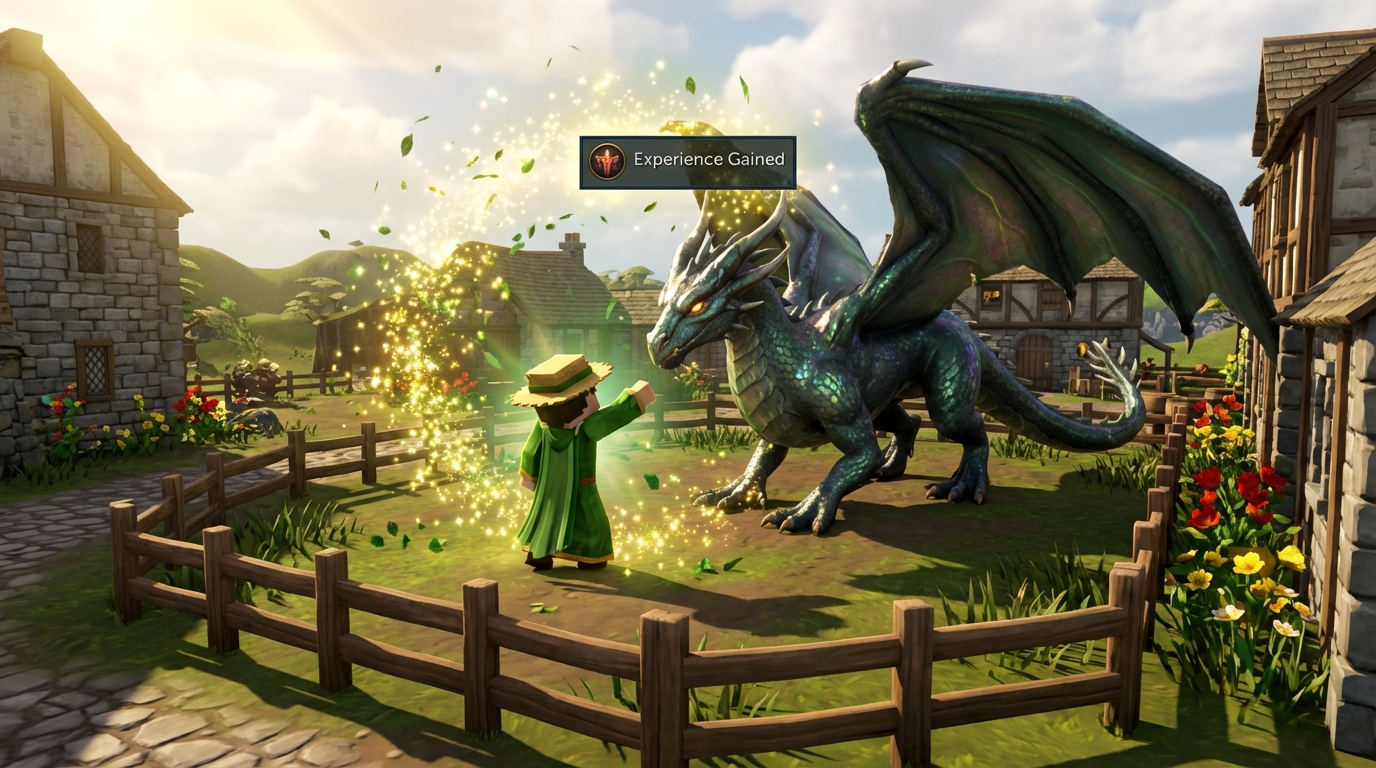
To get the most out of your Player-Owned Farm, you need to understand the massive experience spike that happens when an animal reaches the Elder stage. While you can check your animals at any point to gain some experience, waiting until they are fully grown provides the largest possible drop for your effort. For example, checking a Dragon at the Elder stage grants a staggering 100,000 Farming experience, making it one of the most efficient training methods in RS3. You should aim to time your farm runs so you only harvest these animals once they have hit their final growth milestone. This strategy allows you to maximize your gains while spending only a few minutes at Manor Farm each day.
Balancing your breeding cycles is the next step to ensuring a steady flow of high-level experience. You can keep a breeding pair with helpful traits like Studly in your breeding pen to constantly produce new offspring for your small, medium, and large pens. Once a baby is born, move it to a growth pen and let it reach the Elder stage before harvesting it and selling it to a collector for Beans. If you are raising Dinosaurs at the Ranch Out of Time, this cycle becomes even more rewarding because of the massive experience buffers they provide. By keeping your pens full and rotating animals out only after they reach peak maturity, you turn your farm into an experience powerhouse.
Optimizing your animal traits is a great way to speed up this process and make your farm even more hands-off. Traits like Genetic Mutation or Radiant can help you breed animals with better stats, while the Joyful and Immune traits ensure your animals stay healthy without constant feeding. Keeping your animals at 100% health and happiness is vital because sick or miserable animals grow much slower and offer less experience. Using the Farm Totems on your pens can also provide global buffs to your training, such as increased experience for specific animal types. With a little bit of setup and the right breeding pairs, you will find yourself reaching level 99 or 120 Farming faster than you ever thought possible.
Maximizing Your Gains with High-Yield Animals
Mastering the Player Owned Farm transforms Farming from a tedious chore into one of the most relaxed skills in RuneScape 3. By setting up your pens with high-yield animals like Dragons or Dinosaurs, you can earn millions of experience points with just a few minutes of work each week. The key to reaching level 99 or 120 lies in your ability to optimize breeding pairs and manage traits like Studly or Radiant. Once your farm is running smoothly, you will find that the experience gains far outpace traditional tree runs. You can simply check your animals, collect your produce, and watch your levels soar without ever touching a watering can.
Consistency is your best friend when it comes to maximizing your daily gains at Manor Farm and the Ranch Out of Time. Keeping your troughs filled with cheap food like woad leaves or raw meat ensures your livestock stays healthy and continues to produce experience. You should also make it a habit to trade your excess animals for Beans, which can be spent on Growth Potions to speed up your progress even further. This cycle of breeding and selling creates a self-sustaining loop that makes the journey to 120 Farming feel incredibly easy. If you want to compare these profits to other methods, you can use a herb run calculator to see how much gold you are making across all your activities. Much like learning daily Vis Wax combinations, having a solid routine in place ensures you are well on your way to earning that prestigious Master Cape.
Frequently Asked Questions
1. What level do I need to start my own farm?
You need to have at least level 17 Farming and level 20 Construction to begin building your pens. These requirements ensure you have the skills needed to manage livestock and maintain the farm structures at Manor Farm.
2. Where is the Player Owned Farm located?
You can find the farm just north of the East Ardougne lodestone. Once you arrive, look for Granny Potterington, who will be waiting to help you set up your first animal pens.
3. How do I get my very first animals?
Granny Potterington will give you your first animals, usually rabbits, during the initial tutorial. She will also provide the materials you need to repair your first small pen so you can start farming right away.
4. What are Beans and how do I use them?
Beans are a special currency you earn by trading in your animals at the farm. You can spend these Beans at the Farmers’ Market for powerful upgrades, new animal breeds, and helpful rewards that speed up your training.
5. Is the Player Owned Farm better than traditional farming?
This method is highly effective because it offers massive amounts of experience compared to the old plant and wait routine. It allows you to earn passive gains while you focus on other activities in RuneScape 3.
6. What do I need to do to keep my animals healthy?
You need to place your animals in the correct pens and make sure they have plenty of food to eat. Checking their health regularly ensures they grow properly, which maximizes the experience and Beans you receive.