
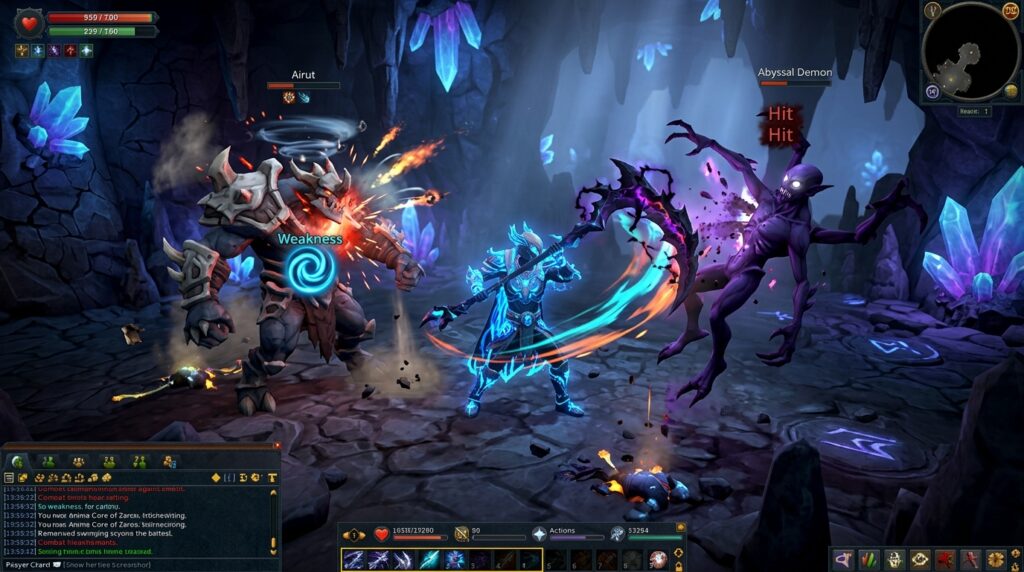
Mastering RS3 slayer monster weaknesses is the secret to faster tasks and massive experience gains. When you match your attack style to a creature’s specific vulnerability, your accuracy skyrockets. This means you spend less time missing and more time dealing damage. For example, bringing Earth spells to an Adamant Dragon task or using arrows against a Gargoyle ensures you hit your mark almost every single time.
The Evolution of Combat system makes these choices vital for your efficiency. While you could use Melee against a Waterfiend, switching to bolts allows you to take advantage of their specific Ranged weakness for much quicker kills. Understanding these sub-types, such as the difference between Slash and Crush, helps you breeze through your Slayer assignments without wasting expensive supplies.
Key Takeaways
- Matching your attack style to a monster’s specific combat icon provides a massive accuracy boost that prevents missing and maximizes experience per hour.
- Pay close attention to combat sub-types, such as differentiating between crush, slash, and stab for melee or specific elemental spells for magic, to maintain peak efficiency against high-defense targets.
- Utilize specialized gear like Leaf-bladed weapons, Broad ammunition, or the Slayer Dart spell for monsters like Turoths and Kurasks that are immune to standard high-tier weaponry.
- Regularly check the target information window on a monster’s health bar to identify vulnerabilities and optimize your gear setup before starting a task.
Deciphering Combat Icons And Accuracy Bonuses
When you look at a monster’s health bar in RuneScape 3, you will notice a specific combat icon that tells you exactly how to take it down efficiently. These symbols represent a massive boost to your accuracy when you match your gear to that specific style. For example, if you see a green crossbow bolt icon while fighting Waterfiends, it means using bolts will significantly reduce the chance of your attacks missing. While you can use other styles, matching these icons ensures your Slayer tasks go by much faster because you are hitting your target consistently.
Understanding the difference between primary styles and their sub-types is the secret to mastering combat. Melee is broken down into stab, slash, and crush, while Ranged focuses on arrows, bolts, or thrown weapons. If you are heading to a task of Gargoyles, you will want to bring a crush weapon like a Masuta’s Warspear to capitalize on their specific vulnerability. Similarly, Magic weaknesses are divided into elemental types like air or fire. This is why using Fire Breath is so effective against Ice Strykewyrms. By paying attention to these sub-types, you can optimize your setup without needing to memorize complicated spreadsheets.
Matching these weaknesses is especially important when you start tackling high-level Slayer creatures that have high defense stats. Using the wrong style can result in frustrating misses, which lowers your experience per hour and costs you more in supplies. When you fight Abyssal Lords, having the right combat approach makes the difference between a smooth trip and a struggle to stay alive. Always check the target information window before you start swinging your sword or casting spells. This simple habit helps you get the most out of your gear and makes your journey to level 120 Slayer much more enjoyable.
Exploiting Elemental Spells For Low Level Slayer
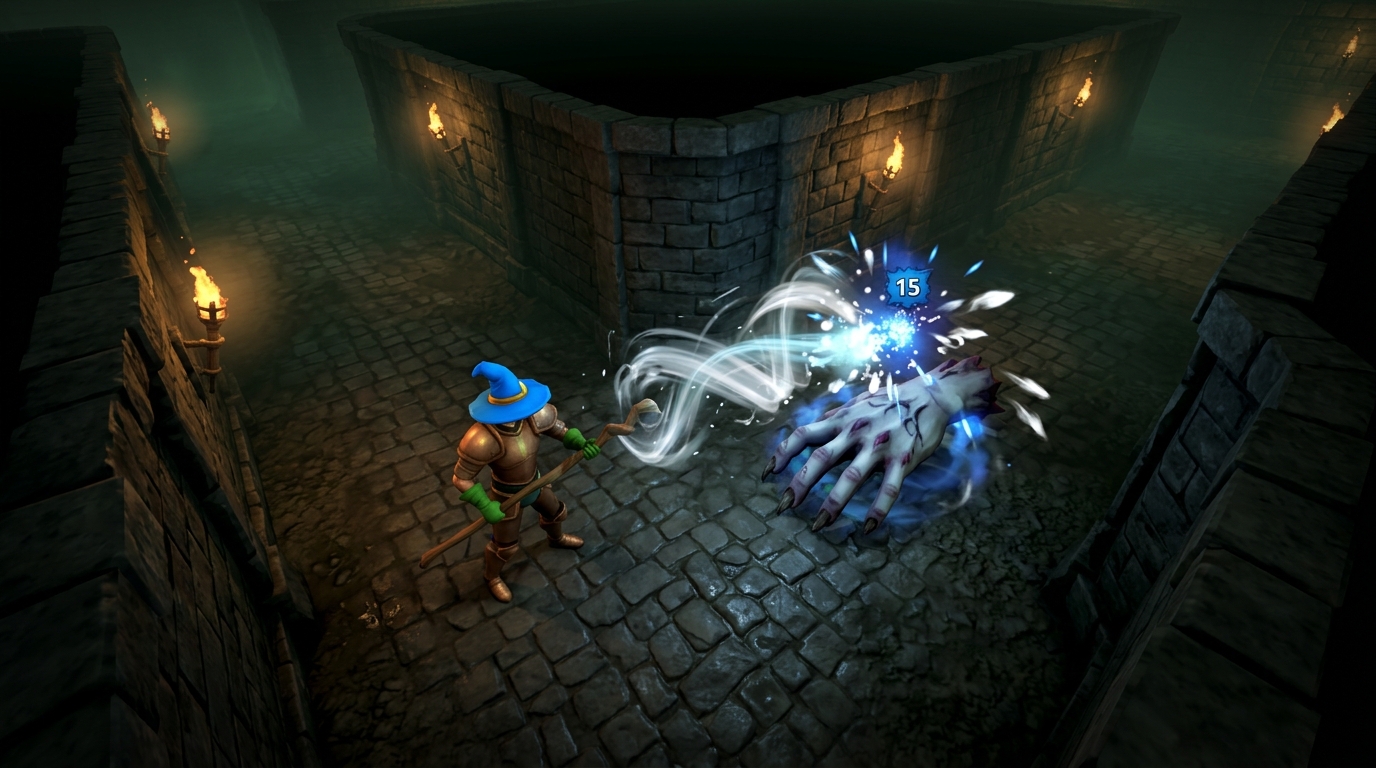
When you first start your Slayer journey in RS3, you might notice small icons next to a monster’s health bar representing their specific elemental weakness. Matching your spell to these icons is the easiest way to boost your accuracy and ensure you aren’t wasting runes on missed attacks. For example, using Fire spells against Crawling Hands or Earth spells on Banshees allows you to land hits much more consistently than using a neutral element. This system rewards you for paying attention to these details, making your early tasks feel much faster and more rewarding. You don’t need the highest level gear to be effective if you are simply using the right magic type for the job.
Rock Slugs are a perfect example of how the right element can change your entire training experience. These creatures are specifically weak to Water spells, and using a spell like Water Strike or Water Bolt will help you tear through them with ease. If you try to use Air or Fire spells instead, you might find yourself missing frequently, which slows down your experience rates. This logic applies to almost every low level Slayer creature you will encounter in the early game. Keeping a variety of elemental runes in your inventory or using a versatile staff ensures you can swap styles the moment your Slayer master gives you a new assignment.
Understanding these weaknesses is especially helpful if you are a returning player who is still getting used to the modern combat icons. The game clearly displays whether a monster prefers you to use Air, Water, Earth, or Fire magic right in the target information window. By taking a quick second to check this, you can optimize your Slayer damage output without needing to memorize complex guides. This approach turns early Slayer into a rhythmic process where you are always hitting at peak efficiency. It makes the climb toward higher Slayer levels much smoother and helps you save money on supplies by finishing tasks quickly.
Essential Gear For Blunt And Piercing Weaknesses
Matching your weapon sub-type to a monster’s specific weakness is the fastest way to stop missing your attacks and start seeing consistent high hits. In RuneScape 3, the combat icons on a creature’s health bar tell you exactly what gear will give you the highest accuracy bonus. If you are heading to the Slayer Tower to fight Gargoyles, grabbing a blunt weapon like a Dragon Warhammer or a Masuta’s Warspear for its crush bonus is essential. While you could use a sword, switching to a crush style ensures you hit through their rocky exterior without splashing. This simple gear swap can significantly increase your kills per hour and make your tasks feel much smoother.
Ranged combat follows the same logic, as different monsters require specific ammunition types to maximize your effectiveness. When you are assigned a task of Banshees or even higher-level targets like Aviansies, you will notice they have a specific weakness to arrows rather than bolts or thrown weapons. Equipping a Chargebow or a Shieldbow with arrows allows you to bypass their natural defenses much easier than using a crossbow. Many players returning to the game often make the mistake of using the same weapon for every task, but paying attention to these small icons makes a massive difference. You will find that your experience rates climb quickly when you stop fighting against the game’s mechanics and start using the proper piercing or blunt tools for the job.
High Level Slayer Strategies Without Specific Weaknesses
When you are tackling certain Slayer monsters in RS3, you might notice that the standard elemental or style icons are missing from their health bars. This usually happens with creatures like Turoths and Kurasks because they have a unique protection that makes them immune to standard high-tier weaponry. To damage these specific monsters, you must use specialized Leaf-bladed equipment, Broad bolts, or Broad arrows regardless of your combat level. Even if you have a powerful Godsword or a high level staff, it will be completely useless here unless you are using the specific gear designed to bypass their thick hides.
Handling these requirements is much simpler than it looks once you understand how the gear pieces function. For Melee users, the Leaf-bladed spear or battleaxe is your go-to choice, while Ranged players need to unlock the ability to craft or buy Broad ammunition from a Slayer Master. If you prefer Magic, make sure you have the Slayer Dart spell unlocked, as standard Fire or Air spells will not deal any damage to these foes. While you lose out on the massive accuracy bonuses of a specific style weakness, using the correct specialized item ensures you can still clear your task quickly and efficiently.
It is helpful to think of these monsters as a gear check rather than a puzzle involving combat triangles or affinities. Since these creatures do not have a specific weakness like Slash or Fire, your main goal is simply to equip the required item and then use your strongest combat abilities. You can still use your best armor and accessories to boost your damage, so do not feel like you have to dress in low level gear just to finish the task. Once you have your Leaf-bladed weapon or Broad bolts equipped, you can treat the fight just like any other Slayer encounter in the game. To further optimize your performance, you should also consider archaeology relic combinations that provide passive combat buffs during your assignments. For those looking to boost your damage even further, unlocking the permanent Slayer Helmet stand is a game-changer for high-level efficiency.
Matching Your Weapons to Monster Weaknesses
Mastering the modern weakness system in RuneScape 3 is all about quickly identifying the icons displayed in a monster’s target window. When you click on a creature like an Abyssal Demon, you will notice a specific icon next to their health bar indicating they are weak to Slashing melee attacks. If you match your weapon to this specific sub-type, you gain a massive boost to your accuracy which prevents your hits from missing. This is especially helpful for returning players who might feel overwhelmed by the transition from older combat styles to the Evolution of Combat. You can always hover over these icons mid-fight to see exactly which spell or ammunition type will give you the upper hand.
Gearing up efficiently becomes much easier once you learn the general patterns of high level Slayer targets. For example, many dragons like the Celestial Dragon are notably weak to Ranged attacks specifically using bolts, making a crossbow your best friend. If you find yourself assigned to fight Glacors, you will want to swap to Fire spells to exploit their elemental vulnerability for maximum damage output. Keeping a few different weapon switches or a versatile spellbook handy allows you to adapt to new tasks without constant trips to the bank. You should always prioritize the specific sub-type, such as thrown weapons or Earth spells, to ensure your Slayer tasks are as fast and profitable as possible. You can also look into starter perks to further enhance your combat efficiency without spending a fortune.
Frequently Asked Questions
1. How do I know what a monster’s weakness is?
You can find a monster’s specific weakness by looking at the small icon next to their health bar during combat. This symbol tells you exactly which weapon type, such as bolts or earth spells, will give you the best accuracy.
2. Do I have to use the specific weakness to kill a monster?
You don’t have to use the specific weakness, but doing so makes your Slayer task much faster. For example, while you can use Melee on Waterfiends, using bolts prevents you from missing and helps you get more kills per hour.
3. What happens if I use the wrong combat style?
Using the wrong style usually results in lower accuracy, meaning your hits will miss more often and waste your time. Matching a Gargoyle’s weakness with a crush weapon like a Masuta’s Warspear ensures you hit consistently instead of seeing zeros.
4. Are all Magic weaknesses the same?
Magic weaknesses are actually split into four elemental types which are air, water, earth, and fire. To get the most experience on an Adamant Dragon task, you should specifically select Earth spells from your spellbook to maximize your damage output.
5. What is the difference between the Ranged sub-types?
Ranged combat is divided into arrows, bolts, and thrown weapons to add more variety to your gear choices. If a monster shows a crossbow bolt icon, you should equip a weapon like a Crossbow rather than a Shortbow to take full advantage of the accuracy bonus. If you are looking to transition from Slayer to bossing, following a beginner bossing order can help you apply these mechanics to more challenging encounters.
6. Why should I care about Melee sub-types like stab or crush?
Different monsters have different armor types that are easier to penetrate with specific movements. Choosing a crush weapon for Gargoyles instead of a slashing sword makes a huge difference in how quickly you can finish your task and move on to the next one.