
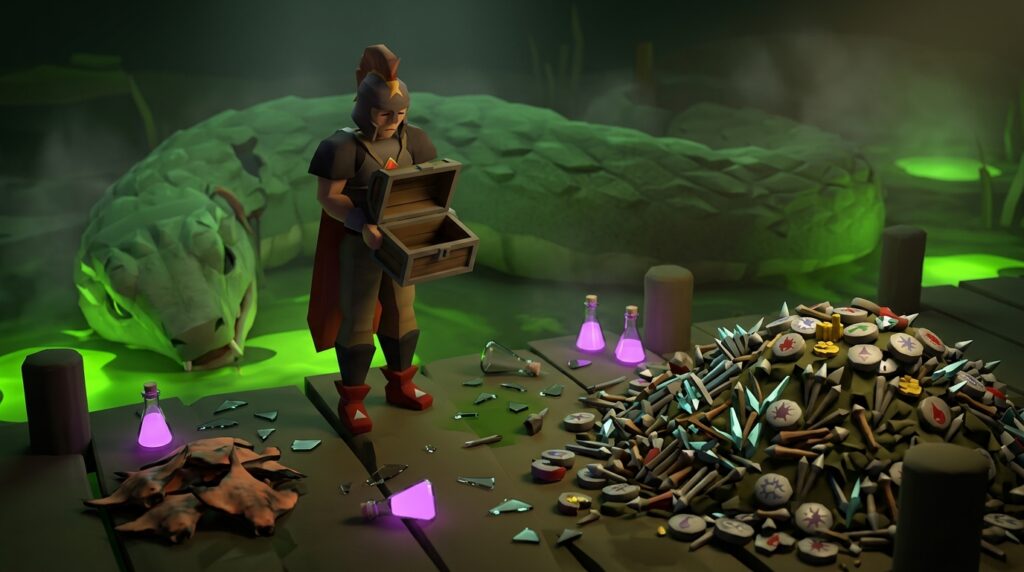
In 2026, watching your gold piece stack grow is harder than ever because osrs bossing supply costs are eating into your hard-earned loot. Whether you are chugging Saradomin brews at Vorkath or firing expensive Dragon darts at Zulrah, those constant trips to the Grand Exchange add up fast. With Bond prices hitting a staggering 30M GP, you cannot afford to ignore how much you are spending on Super Restores and Divine Potions just to stay in the fight.
Managing your inventory efficiently is the only way to make sure your hourly profit stays high instead of disappearing into thin air. Mid-tier bosses now cost about 200k GP every hour in supplies, which can really hurt your bank if you aren’t getting lucky with unique drops. By tracking your spending on items like Prayer Potions and high-end food, you can finally stop wondering where all your money went after a long night of slaying.
Key Takeaways
- Calculate your net profit by subtracting the 200k GP hourly supply cost from your gross loot to ensure mid-tier bosses like Vorkath remain sustainable.
- Master boss mechanics and prayer flicking to minimize the consumption of expensive high-tier supplies like Sanfew Serums and Enhanced Saradomin Brews.
- Evaluate whether the marginal kill-speed increase from elite ammunition like Dragon Darts justifies the significant drain on your hourly margins.
- Monitor your supply chain and inventory efficiency strictly to offset the rising 30M GP cost of OSRS Bonds and maintain account membership through gameplay.
Calculating Hourly Costs For Mid Level Bosses
When you head out to fight mid level bosses like Vorkath or Zulrah, your gross loot often looks impressive until you factor in the drain on your bank tab. For most players using standard setups, you can expect to spend about 200k GP every hour just to stay in the fight. This figure covers your basic necessities like Shark or Manta Rays for healing and Prayer Potions to keep your overheads active. You also have to account for boosting potions like Bastion or Divine Ranging Potions, which are essential for maintaining fast kill times. Ignoring these upfront costs can lead to a frustrating surprise when you realize your net profit is much lower than the gold appearing on the ground.
Breaking down the math helps you see exactly where your gold is going during a long session of bossing. A single dose of an Extended Super Antifire or an Anti-venom+ might seem cheap, but these costs add up quickly over dozens of kills. You also need to consider the price of your ammunition, such as Ruby Dragon Bolts (e) or the scales consumed by a Toxic Blowpipe. Even your teleports and house pool resets contribute to that 200k hourly average that eats into your earnings. By tracking these expenses, you can calculate your net profit to decide if a boss is actually worth your time or if you need to switch to a more cost effective method.
With the price of OSRS Bonds climbing toward 30M GP, managing your supply chain is more important than ever to keep your membership active through gameplay. You should always look for small ways to save, such as using Karambwans for combo-eating or switching to slightly cheaper prayer restoration options when possible. Efficiency is not just about how fast you kill the boss, but also about how little you spend to get that kill. If you can keep your supply costs steady while increasing your kills per hour, your take-home pay will rise significantly. Understanding this balance is the secret to turning mid level bossing into a sustainable way to fund your high level gear upgrades.
Balancing High End Supply Drains Against Profits
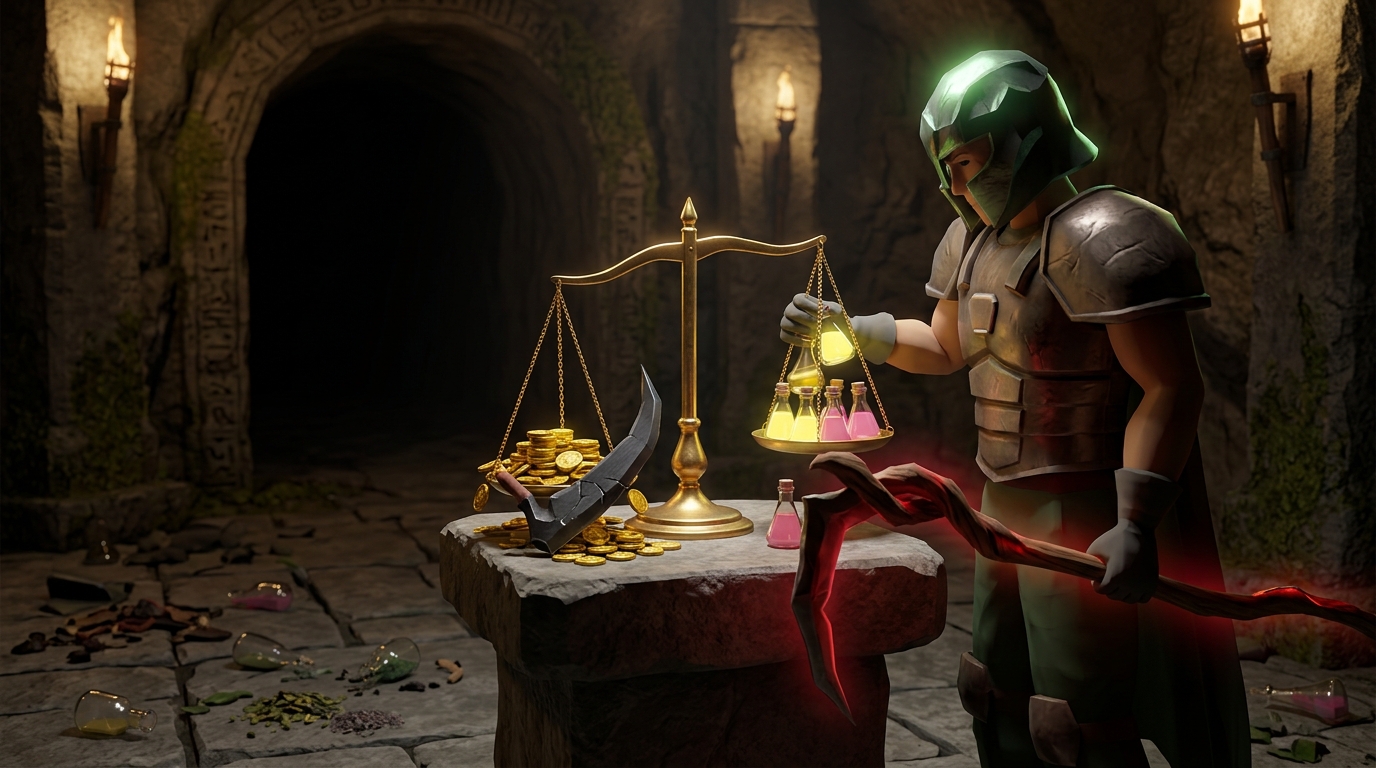
When you are chasing those massive 17M GP per hour figures at bosses like the Doom of Mokhaiotl, you have to remember that your gross loot is not the same as your take-home pay. High-end bossing in 2026 requires an incredible upfront investment in supplies like Divine Combat Potions, Sanfew Serums, and Enhanced Saradomin brews. If you are not careful with your clicks, you can easily burn through 1.5M GP in runes and ammunition before you even see a unique drop. You need to track every dose of Prayer Potion and every Dragon Dart used to make sure you aren’t actually losing money during a bad luck streak. Success at this level depends on your ability to minimize waste while maximizing your damage output every single second.
Perfect execution is the only way to keep your profit margins healthy when supply costs are this high. If you miss a prayer flick or stand in a fire pool, you are forced to eat extra food and sip more Restore Potions, which directly eats into your hourly earnings. Many players find that a single mistake can turn a profitable trip into a net loss because of how expensive high-tier consumables have become. You should aim to master the mechanics until you are using the bare minimum amount of supplies needed to survive the encounter. This discipline allows you to offset the rising cost of OSRS Bonds and ensures that your hard work actually grows your bank account.
The difference between a mid-tier boss like Vorkath and a top-tier encounter is often found in the complexity of the inventory management. While a Vorkath trip might only cost you 200k GP per hour in standard supplies, the most profitable bosses demand specialized items that fluctuate wildly in price on the Grand Exchange. You have to decide if using the most expensive ammunition is worth the slight increase in kill speed or if the cost per hour will simply drain your gold. By calculating your net profit after subtracting the cost of every rune and potion, you can determine if a boss is truly worth your time. Staying informed about current market prices helps you choose the right gear setup to keep your bossing ventures sustainable and rewarding.
Impact Of Bond Inflation On Your PvM Margins
With OSRS Bonds now climbing toward the 30M GP mark, your take-home pay from every boss trip matters more than it ever has before. It is easy to look at a high-value drop like a Draconic Visage or a Voidwaker piece and feel rich, but you must account for the hidden drain on your bank tab. Every sip of a Super Combat Potion, every dose of Sanfew Serum, and every piece of Manta Ray you eat eats directly into your membership fund. If you are spending 200k GP per hour on supplies at Vorkath, you need to be certain your total loot covers both those costs and the rising price of your next fourteen days of game time.
Managing your margins requires a closer look at the specific runes and ammunition you use during high-end encounters. For example, using Dragon Darts in your Blowpipe or firing Onyx Bolts (e) can significantly increase your hourly overhead compared to cheaper alternatives. While these expensive supplies might help you get faster kills, the extra speed must result in enough additional loot to justify the massive spike in your spending. You should regularly calculate your net profit by subtracting your gear repair and consumable costs from your gross earnings to ensure you are actually making progress toward that 30M GP goal. Many players are now asking is an OSRS bond worth it when the grind for membership takes up so much of their active playtime.
Efficiency in 2026 is not just about how fast you can kill a boss, but how little you spend while doing it. High-end encounters like the Theatre of Blood or the Tombs of Amascut provide massive rewards, but they also demand the most expensive potions and charges for your powered staves. If you find yourself constantly buying new supplies without seeing your stack of gold grow, it might be time to switch to a more cost-effective method. Staying mindful of your per-kill expenditure is the only way to stay ahead of inflation and keep your account active without breaking the bank.
Balancing Your Potions, Food, and Ammo Costs
Managing your supply costs is the difference between watching your bank value soar and seeing it slowly drain away. While high-level bosses like the Alchemical Hydra or Nex offer massive potential rewards, you have to factor in the constant cost of Prayer potions, Divine combat boosts, and high-tier food like Anglerfish. Even mid-level favorites like Vorkath require a steady investment in Super Antifires and Dragon Diamond bolts that can eat into your hourly profit if you aren’t careful. By keeping a close eye on your Grand Exchange spending, you can master your OSRS bank tag layouts to choose encounters that fit your current budget while still making consistent progress toward your next gear upgrade.
Choosing the right boss for your current financial situation ensures that you are always playing efficiently and staying HW motivated. If you find yourself struggling to cover the upfront costs of inventory setups or high-end ammunition, it might be time to scale back to more sustainable methods until your cash flow stabilizes. Remember that the goal is to grow your wealth over time, not to gamble your last few million GP on a boss that might not pay out for hours. To ensure your account stays safe while you focus on these profitable grinds, you should learn more about the Vorkath gear setup and consider is the Dragon Hunter Crossbow worth your gold when trying to maximize your damage against draconic foes.
Frequently Asked Questions
1. How much should I expect to spend per hour on mid-tier bosses?
You should plan to spend around 200k GP every hour when fighting mid-level bosses like Vorkath or Zulrah. This budget covers your basic healing items like Manta Rays and the Prayer Potions needed to keep your protections active during the fight.
2. Are Divine Potions worth the extra cost for bossing?
Divine Ranging and Combat potions are great for keeping your stats boosted at the highest level for a full five minutes. While they cost more than standard potions, they help you get faster kills which can actually save you money on other supplies in the long run.
3. What is the most expensive part of a bossing inventory?
Your ammunition and high-end potions like Super Restores or Anti-venom+ are usually the biggest drains on your bank account. Using expensive items like Ruby Dragon Bolts (e) makes your kills faster, but you have to make sure the loot you get covers their high price tag.
4. How can I lower my supply costs without getting fewer kills?
You can save money by switching to slightly cheaper food like Sharks instead of Manta Rays if you find you are surviving easily. It is also smart to track your potion doses and only sip a boost when your stats have actually dropped significantly.
5. Do Bond prices affect how I should look at my bossing profit?
With Bonds reaching 30M GP, every gold piece you spend on Super Restores matters more than ever. You need to make sure your net profit after supply costs is high enough to reach your goals without spending all your time just breaking even.
6. Why does my bank tab seem to stay empty even after getting boss drops?
You might be ignoring the hidden costs of things like Extended Super Antifires and teleports to get back to the boss. When you add up 200k GP per hour over a long night of slaying, it can easily eat a huge chunk of the gold you see on the ground.