
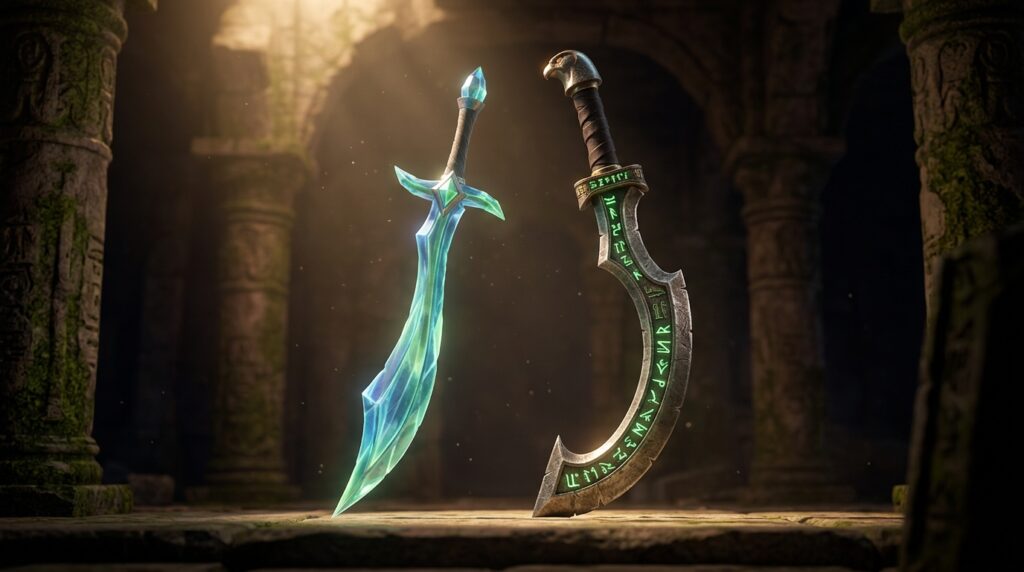
Choosing between OSRS fang vs Saeldor can make a noticeable difference to your damage, especially when you fight bosses or complete difficult PvM content. Osmumten’s fang is usually the safer choice against high-Defence targets, while the Blade of Saeldor can perform better against low- to medium-Defence enemies that are weak to slash. The right weapon depends on more than its listed stats. You also need to consider attack speed, accuracy, Defence levels, and your gear.
If you are deciding what to buy or bring to places such as the Tombs of Amascut, the answer is not always the newer or stronger-looking weapon. The fang offers reliable accuracy and works well as an all-purpose option, while Saeldor’s faster four-tick attacks can perform well when you maintain clean attack cycles. Knowing where each weapon works best can help you spend your gold wisely and improve your results across Old School RuneScape.
Key Takeaways
- Choose Osmumten’s fang as the default all-purpose weapon for high-Defence bosses and raid content, especially at the Tombs of Amascut and Chambers of Xeric, where its reliable accuracy delivers consistent damage.
- Choose the Blade of Saeldor against low- to medium-Defence enemies that are weak to slash. Its faster four-tick attack cycle makes it especially effective for melee training and slash-focused Theatre of Blood encounters.
- Compare both weapons using your actual gear, Strength bonuses, prayers, boosts, and attack timing rather than relying only on listed stats. Saeldor gains more value when you can maintain clean attack cycles and exploit slash weakness.
- Account for long-term costs before buying: Saeldor requires crystal charges unless corrupted, while the fang also degrades and needs repairs. If you can afford both, switch between them based on the target instead of forcing one weapon into every situation.
OSRS Fang Vs Saeldor Introduction
Choosing between Osmumten’s fang and the Blade of Saeldor depends mainly on the enemy’s Defence and weakness. The fang usually performs best against high-Defence targets because its accuracy mechanics help it land reliable hits, especially with stab. This makes it a strong all-purpose weapon for bossing and a valuable choice at the Tombs of Amascut. The Blade of Saeldor uses slash and attacks every four ticks, so it can deal more damage against lower-Defence enemies that are weak to slash.
For general melee training, Saeldor often feels better when you fight enemies with modest Defence and can take advantage of its faster attack speed. It is also useful in places where slash damage is preferred, including several rooms and encounters in the Theatre of Blood. The fang remains the safer choice when enemies have high Defence or when consistent accuracy matters more than attack speed. Your armour, Strength bonus, boosts, prayers, and the target’s exact Defence can all change the final result.
You should also consider your wider upgrade plans before choosing one weapon. The fang is usually the more flexible purchase if you want a reliable option for high-Defence bosses, including many encounters in the Chambers of Xeric and Tombs of Amascut. Saeldor becomes more appealing if you already own strong bossing gear and want a powerful slash weapon for lower-Defence targets or Theatre of Blood runs. Choose the fang for high-Defence consistency, while Saeldor often wins when slash weakness and four-tick attacks give it an advantage.
Fang Vs Saeldor Core Stats
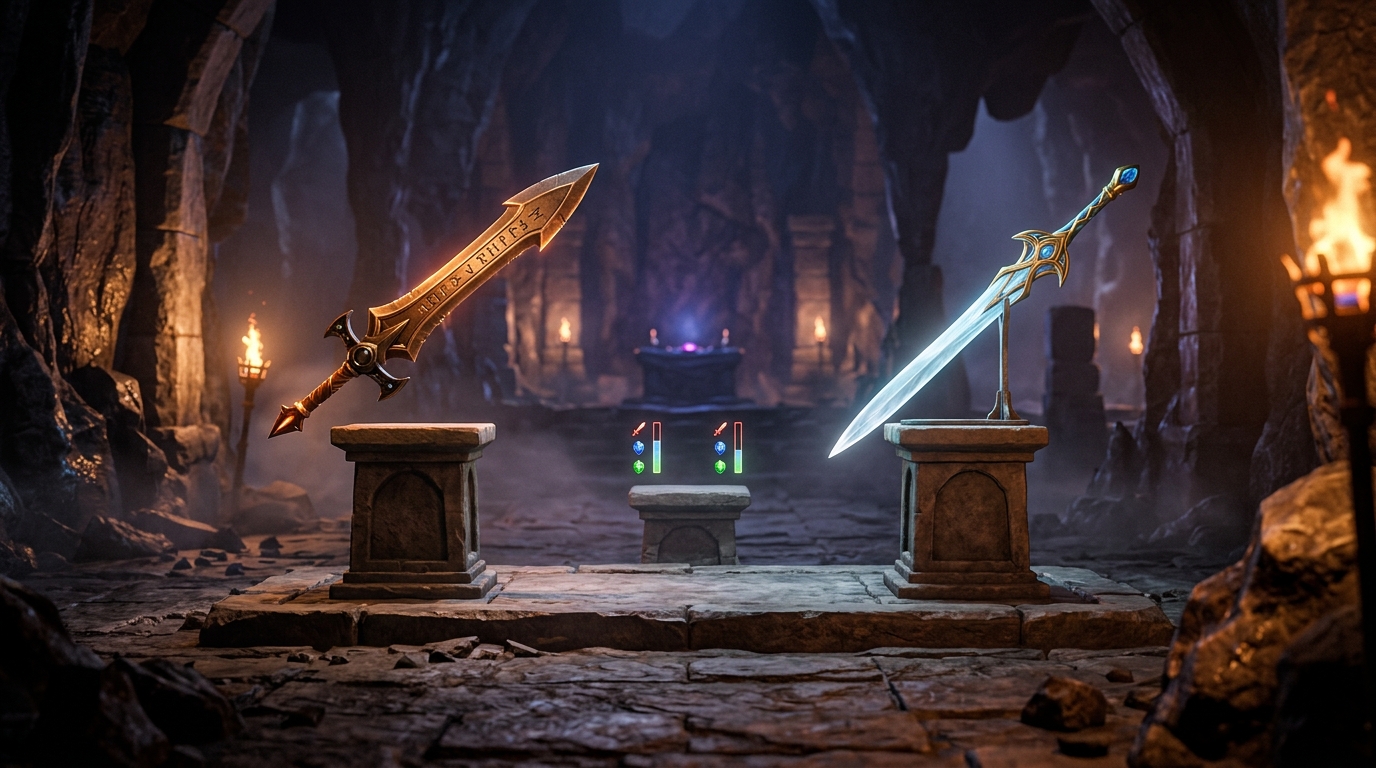
At 82 Attack, Osmumten’s fang requires two more levels than the Blade of Saeldor, which requires 80 Attack. The fang usually performs better against high-Defence targets, while Saeldor’s faster attack speed helps it against weaker enemies. The fang attacks every five ticks, or once every 3.0 seconds, while Saeldor attacks every four ticks, or once every 2.4 seconds. The fang offers strong stab accuracy and Strength, while Saeldor is built around slash accuracy and a high Strength bonus. The fang’s attack styles focus on stab, while Saeldor gives you slash styles that many monsters and bosses prefer.
The fang rolls accuracy twice and uses the better result, which helps it land hits consistently against targets such as raid bosses. Its damage rolls are also compressed, producing fewer extreme hits and a more reliable average instead of as many high-damage spikes. Saeldor uses standard accuracy and damage rolls, but its faster four-tick cycle lets you attack more often and benefit from strong slash bonuses against low- or medium-Defence enemies. Both weapons have special attacks, but neither special attack changes the weapon’s main role. The fang remains focused on reliable damage against tougher targets, while Saeldor is best suited to faster slash attacks.
Degradation can also affect your choice and upkeep costs. An uncorrupted Blade of Saeldor uses crystal charges and can be corrupted to remove degradation, while the fang gradually degrades and must be repaired after enough attacks. In practice, the fang is usually the safer upgrade for high-Defence content such as the Chambers of Xeric and Tombs of Amascut. Saeldor can outperform it against slash-weak targets and during general melee training. At the Theatre of Blood or in other encounters where slash accuracy and clean four-tick cycles matter, Saeldor remains a valuable option rather than a replacement for the fang in every situation.
Fang For High Defence Targets
Osmumten’s fang is usually the safer choice when you fight a boss with high Defence because its accuracy helps you land consistent hits. In the Tombs of Amascut, it is especially useful against targets such as Akkha and the Wardens, where missed attacks can cost more time than a slower weapon swing. The fang’s stab style also makes it a strong option when the target is weak to stab or has enough Defence to reduce the Blade of Saeldor’s damage. You may not see the biggest hit every time, but steady damage makes your kills more reliable.
This advantage also applies to high-Defence targets in the Chambers of Xeric and other difficult melee encounters where accuracy matters more than attack speed. The fang can perform well against targets such as the Great Olm’s melee hand and other bosses where a slash weapon may struggle to hit consistently. By comparison, the Blade of Saeldor is often better against lower- or medium-Defence enemies that are weak to slash, especially when its faster four-tick attack speed gives you more attacks over time. If you are choosing between the OSRS fang vs Saeldor for general bossing, choose the fang first when Defence is high, then bring Saeldor for slash-weak targets where its speed can help.
Saeldor For Slash Weak Targets
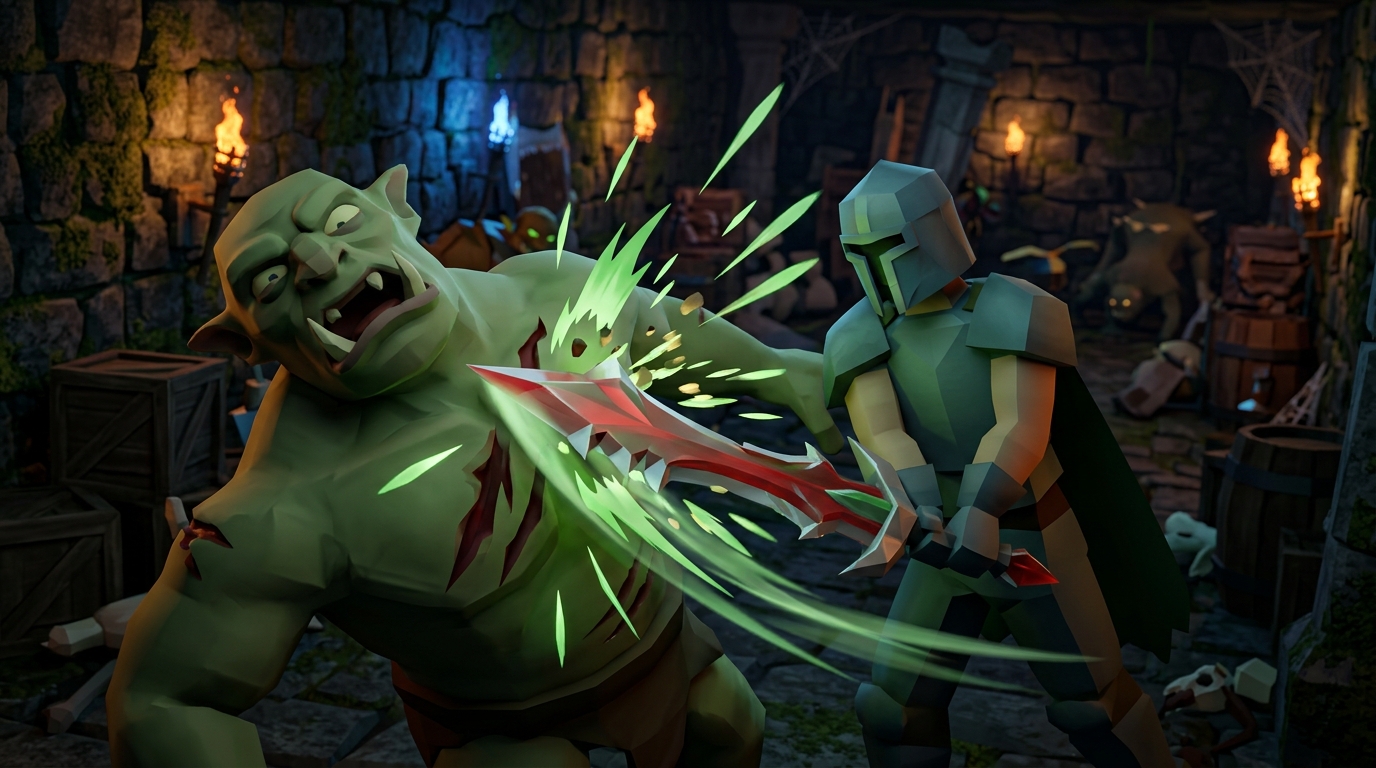
The Blade of Saeldor can outperform Osmumten’s fang when your target has low to medium Defence and is weak to slash. Its four-tick attack cycle lets you hit every 2.4 seconds, giving it a faster damage rhythm than the fang’s five-tick cycle. You will notice this advantage during general melee training against targets such as bloodvelds and fire giants, where the fang’s accuracy scaling offers less value. Saeldor also fits well into common Strength-training setups, especially when you can maintain your attack prayer and keep attacking without movement delays.
Theatre of Blood gives Saeldor some of its best uses because several encounters reward fast, accurate slash attacks. It is particularly strong against Verzik Vitur during phase two, where its attack speed can produce better results than the fang when your gear and team allow consistent uptime. The blade can also perform well while clearing slash-vulnerable Nylocas in the Nylo room, helping you switch targets quickly and keep attacking. The fang remains the safer choice against high-Defence enemies, but a charged Saeldor is often better when slash weakness and four-tick attacks work together.
Fang Vs Saeldor Upgrade Choices
Osmumten’s fang is usually the safer upgrade when you want one weapon for many activities. Its strong stab accuracy and passive accuracy mechanics make it reliable against high-Defence targets, especially at the Tombs of Amascut, difficult Chambers of Xeric bosses, and demanding Slayer tasks. Your best choice can change with your melee gear, boosted Strength level, and prayer setup because higher boosts make Saeldor’s faster attacks more rewarding against weaker targets. If you prefer consistent hits over precise timing, the fang’s slower five-tick cycle is also easier to maintain than Saeldor’s four-tick cycle.
The Blade of Saeldor performs best when the target has low or medium Defence and is weak to slash. It can be an excellent option for general melee training, many Slayer monsters, and slash-focused encounters in the Theatre of Blood. Its four-tick speed gives it strong damage when you maintain a steady attack rhythm. In the Chambers of Xeric, Saeldor is useful against suitable slash targets, but the fang becomes more attractive as Defence rises. At the Tombs of Amascut, the fang is generally the stronger all-purpose choice. Your gear matters too, so compare both weapons with your actual armour, potion boosts, and prayers instead of relying only on their listed stats.
Remember that Saeldor has an ongoing resource cost unless you corrupt it, requiring crystal shards for charges. Corruption costs 1,000 crystal shards and 1.5 million coins. It removes the normal charge upkeep and makes the blade easier to use for long-term training, but it is a large upfront expense that you should include in your decision. Choose Saeldor first if you already have strong slash gear, regularly fight low-Defence targets, and can maintain clean four-tick cycles. Otherwise, the fang is usually the better all-purpose purchase, especially if bossing, the Tombs of Amascut, high-Defence Slayer targets, and flexible one-weapon gearing are your priorities.
OSRS Fang Vs Saeldor Verdict
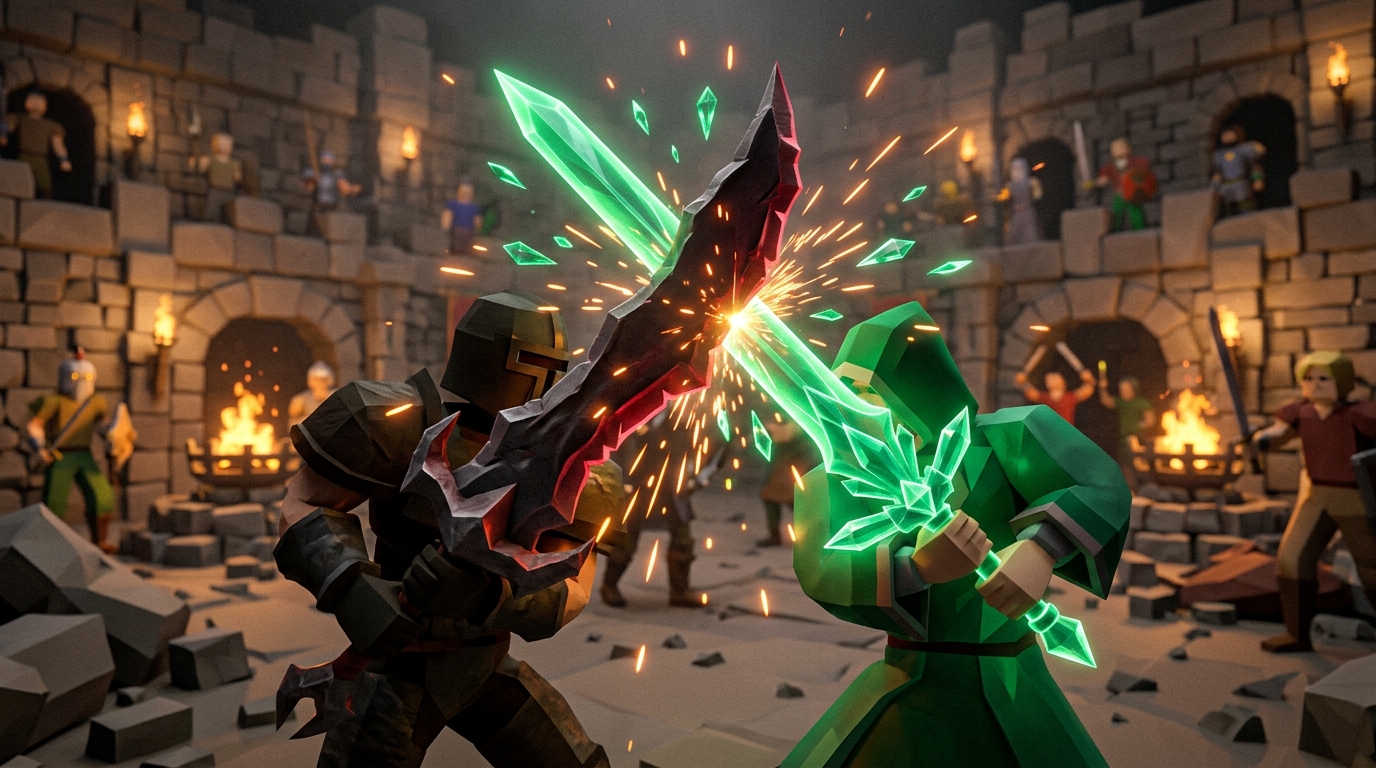
Choose Osmumten’s fang when you want one weapon for a wide range of bosses and high-Defence targets. Its strong accuracy and consistent damage make it especially useful at the Tombs of Amascut, where it remains one of the best general melee upgrades. The fang is also dependable when a boss does not have a clear slash weakness or when you want reliable performance across different rooms and encounters. For the Chambers of Xeric and general bossing, it usually gives you more value without requiring perfect attack timing.
The Blade of Saeldor makes more sense against low- to medium-Defence enemies that are weak to slash because of its faster four-tick attacks. It can be a strong option at the Theatre of Blood and for melee training when you can maintain clean attack cycles and take advantage of its slash accuracy. Its buffs have made it more competitive, but it has not replaced the fang as the default weapon for high-Defence targets. As a practical recommendation, the fang is the stronger broad bossing weapon, while Saeldor is a valuable slash-focused option for lower-Defence targets and players who can use its faster attacks effectively.
Fang or Saeldor: Choose by Target
Choosing between Osmumten’s fang and the Blade of Saeldor comes down to the target you plan to fight. The fang is usually the safer upgrade for high-Defence enemies because its stab accuracy and consistent damage work well in places such as the Tombs of Amascut and against difficult bosses. The Blade of Saeldor attacks faster and performs strongly against low- and medium-Defence enemies that are weak to slash. Its four-tick attack speed also makes it a strong choice for general melee training and slash-focused encounters.
For the Theatre of Blood, the Blade of Saeldor can be valuable when you attack targets with a slash weakness, while the fang remains useful when accuracy and reliable damage matter more. In the Chambers of Xeric, your choice should match the room and monster because the fang is often better against tougher targets, while the blade can shine against suitable slash targets. Your Attack level, Strength bonuses, prayers, boosts, and ability to maintain clean attack cycles can also change which weapon gives you the best results. If you can afford both, keeping each weapon lets you switch based on the enemy instead of forcing one weapon into every situation.
Overall, choose the fang as your main all-purpose bossing upgrade, especially if high-Defence content is your priority. Choose the Blade of Saeldor for faster slash attacks and efficient training. Comparing your expected targets before spending your gold can help you avoid buying a weapon that does not fit your goals. If you are considering raid progression, learn more about why paying for OSRS raid services is a massive risk to your account so you can protect your account while planning your next upgrade. Making informed choices and earning your gear safely will give you the strongest long-term value.